Safety & Risks
How Long Does Miele Oven Self Cleaning Take, and the Step Before It
A Miele oven self cleaning cycle typically runs between two and four hours depending on the soil level chosen, plus a cooling period during which the door stays locked. Before starting one, remove coarse soiling from the cavity by hand: the manufacturer publishes a condition for the self-clean temperature not being reached, and names significant residual soiling as the cause. Never force a locked door — let the oven cool fully first.
The full guide
How long does Miele oven self cleaning take, and what happens during it
Two to four hours for the cycle itself, depending on the soil level you select, and then a cooling period on top during which the door stays locked. Plan for most of an afternoon rather than an hour, and plan not to need the oven that evening.
The cycle works by taking the cavity to a temperature at which food residue is reduced to ash. That is a genuinely high temperature — high enough that the door being open would be dangerous — which is why the appliance latches it shut for the whole cycle and keeps it shut until things have cooled down.
The ash is what you sweep out with a damp cloth afterwards. That part takes two minutes.
The step to take before you press start
This is the reason this page is not just a number.
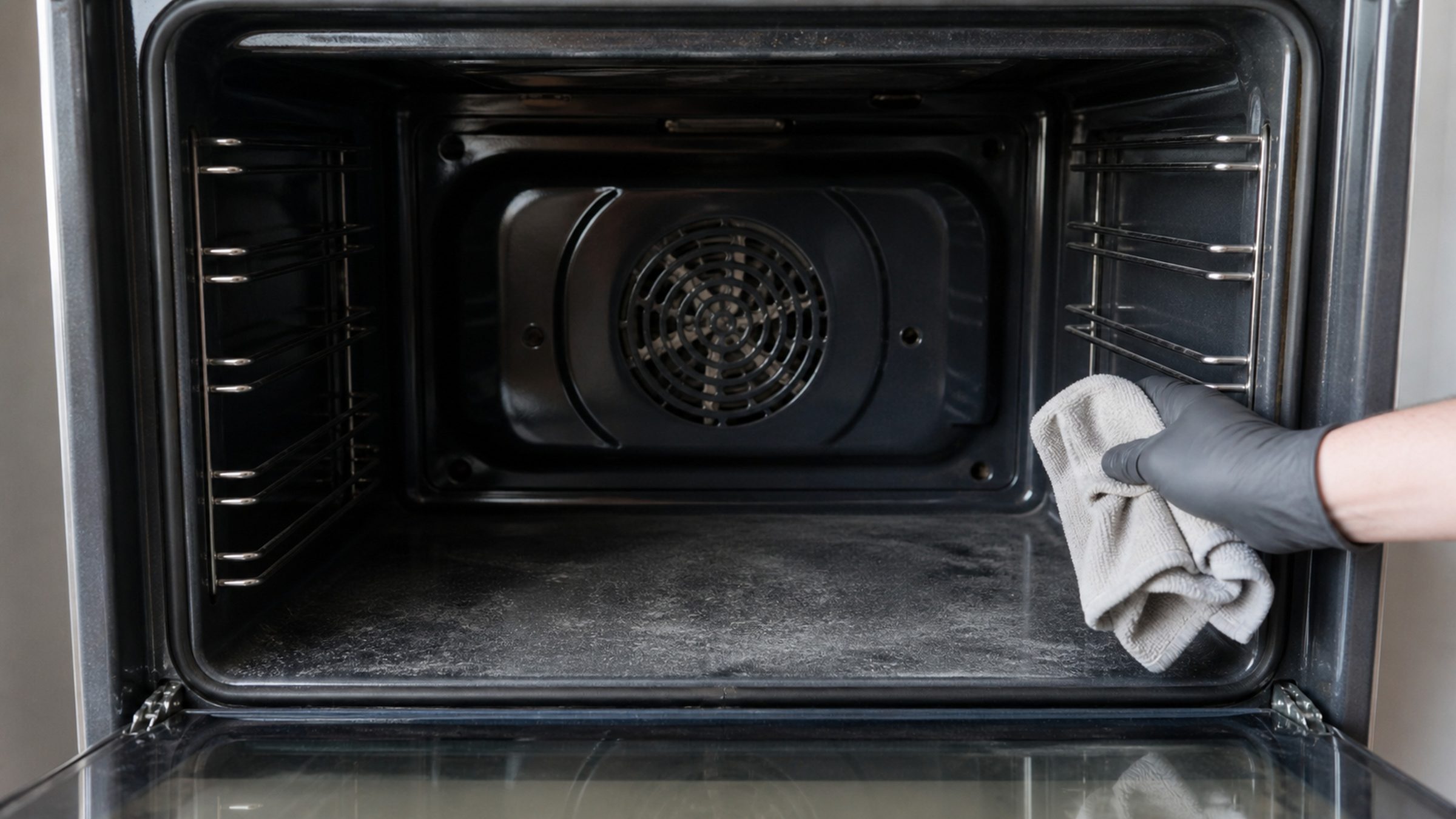
Wipe out the coarse soiling by hand first. Not the baked-on marks — those are what the cycle is for. The lumps: a spill of sauce, fat in the base, anything sitting loose.
The manufacturer publishes a condition for the self-clean temperature not being reached, and it names significant residual soiling in the oven compartment as a cause. Its own instruction is to switch the oven off, remove the coarse soiling, and start again.
In other words, a cavity with too much in it can stop the cycle. And a cycle that stops part way is the situation where people end up with a locked door and an appliance that has not cleaned itself.
Five minutes with a cloth prevents the whole sequence.
While it is running
Ventilate. Smoke and a strong smell are normal for the cycle, and in a closed house in a South Florida summer that smell stays around for hours. Extraction on, windows open where you can.
Take the birds out of the room, and ideally out of the house. This is not a Miele-specific warning; it applies to any self-cleaning oven. The fumes from a high-temperature cycle are genuinely dangerous to birds.
Take everything out of the cavity. Racks, trays, the food probe, the side runners if the instructions for your model say so. Anything left in a self-clean cycle that is not rated for it discolors permanently.
Afterwards: the door, and the thing not to do
The door stays locked until the oven has cooled. That is the cycle, not a problem, and in an unconditioned kitchen on a hot day it takes longer than you expect.
If it is still locked on a genuinely cold oven, that is a different matter. This maker publishes two separate conditions here — one for the self-clean door lock not closing and one for it not opening — which tells you the mechanism has two ways to fail and that both are recognized.
Do not lever it. The latch is a motor, a cam and a switch. The door, its hinge and the glass are a much larger repair, and a forced door frequently damages all of them. The manufacturer's own guidance where the lock will not release is to interrupt the cycle by switching the appliance off and contact service.
How often is worth running it
Less often than most people assume, and this is worth saying because the feature is there and people feel they should use it.
A self-clean cycle is hard on the appliance. The temperature it reaches ages the door seal, works the hinges, and over enough repetitions dulls the interior finish. Twice a year on a cavity that gets wiped when things spill is plenty. Monthly, on an oven treated as self-cleaning instead of cleaned, is a way to need a door seal early.
The alternative is not chemical oven cleaner. A self-cleaning cavity has a coating that oven cleaner damages permanently, and that is not repairable — it is a new cavity. Water, a cloth, and the cycle when it is genuinely needed.
Two things this cycle will not do
It will not clean the glass. The inner door panels come out on most of these ovens and are cleaned by hand.
It will not clean the seal. The door gasket is not designed to be scrubbed and should not be. A gentle wipe is the whole of it, and a seal that has gone hard or lifted is a part rather than a cleaning problem — and worth replacing, because a door that no longer seals wastes the heat every cycle after that.
Planning the afternoon around it
Worth thinking about in a South Florida house specifically, because the cycle interacts with the room.
Do not run it on the hottest afternoon of the week. The oven is putting several hours of high heat into a kitchen your air conditioning is already working on, and the cooling period afterwards is longer when the room around it is warm — which is exactly the wait people find hardest.
Run it in the morning if you can. Windows open, extraction on, and the door will be unlocked by the evening rather than the following day.
Do not start one the day before you need the oven. That is the single most common regret with this cycle: a clean started at six in the evening before a dinner party is an oven that is locked when you want it.
Independent Miele service across Miami-Dade, Broward and Palm Beach. We are not affiliated with, authorized by or endorsed by any manufacturer.
If it turns out to be a repair
What this leads to, and what it costs
Every job on this site is priced the same way: an on-site diagnostic first, the figure agreed in writing before anybody starts.
-
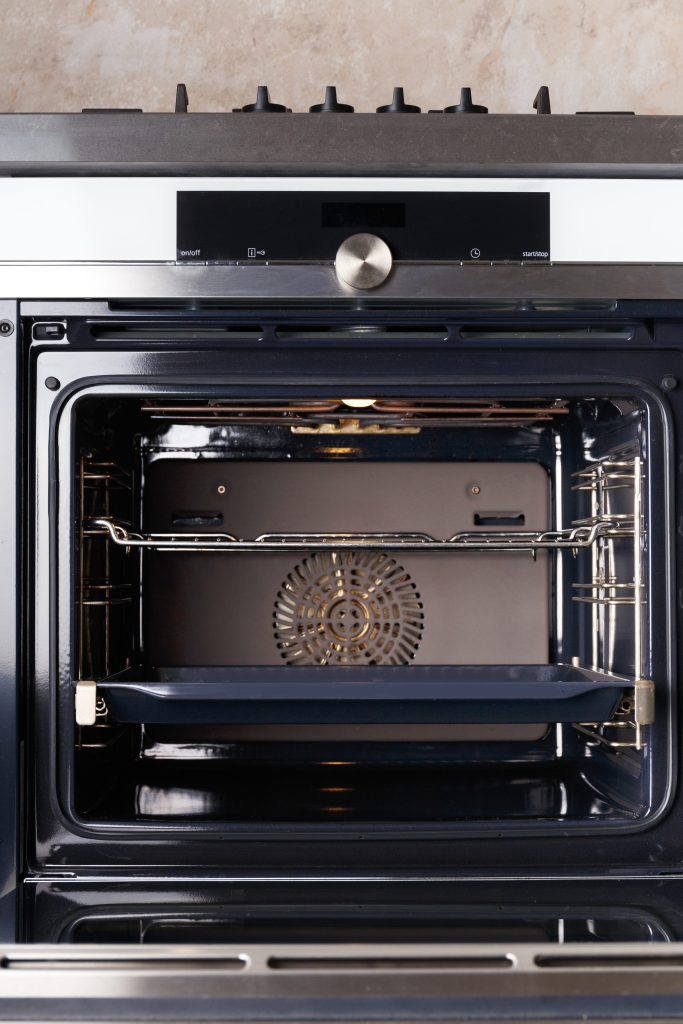
H wall ovens · DGC combi-steam · Speed ovens · Warming and vacuum drawers Ovens, steam ovens and drawers
One control family covers the wall ovens, the combi-steam ovens, the speed ovens and the drawers, which is why they share a page. The steam side adds a set of conditions all its own — about the intake valve, the nozzle, the container, and the hardness of the water itself.
- A cavity that will not reach or hold temperature
- A steam program that stops and asks about water
- A door locked after a self-clean
-
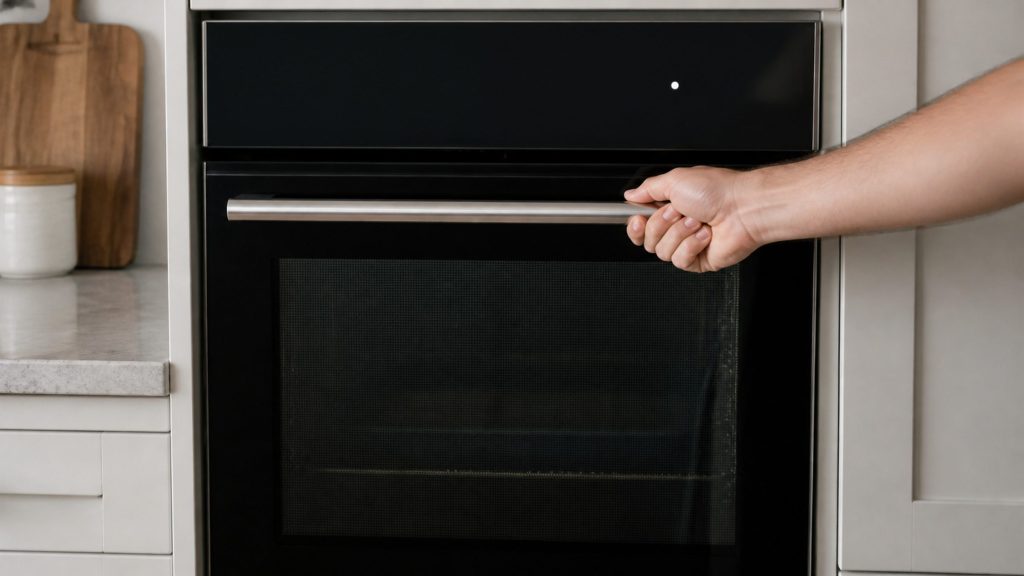
The cycle finished hours ago Oven door locked after self-clean
The oven holds its door shut during a self-clean deliberately and releases as it cools. When it does not, that is the latch — and it is a same-day call rather than something to live with.
- Still locked hours after the cycle
- The clean cycle stopped part-way
- A number on the display naming the door lock
-
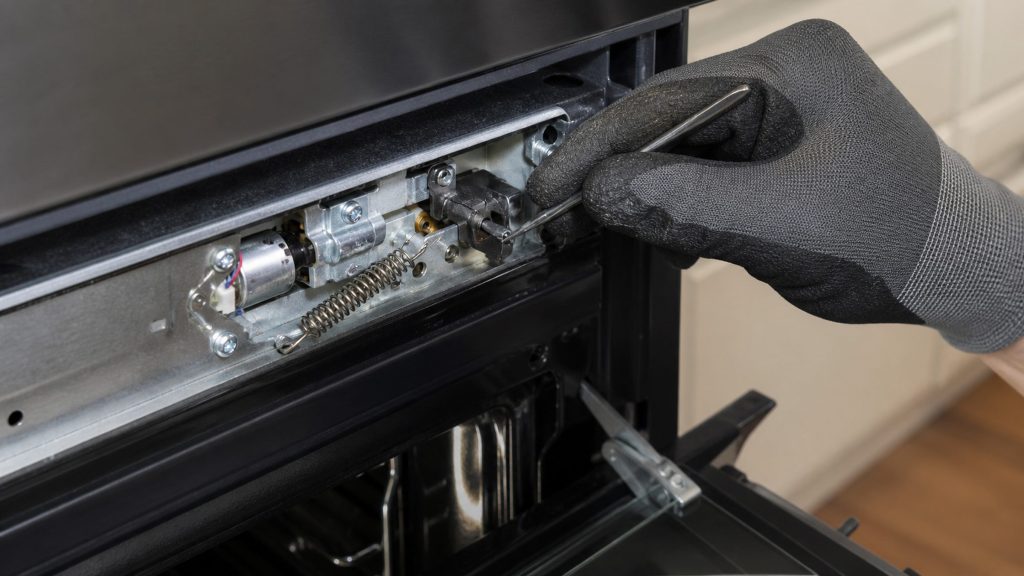
from $215 Oven door latch repair
An oven that has stopped part-way through a self-clean holds its door shut deliberately. When it will not release as the cavity cools, that is the latch — and it is a same-day call, because forcing it is how a latch becomes a door.
- Same-day where the schedule allows
- Door released without damaging the mechanism
- The cause of the interrupted cycle found, not just the latch
Questions people ask about this
Why does the door stay locked afterwards?
Because the cavity is still far too hot to open safely. The lock releases as the oven cools, and the wait is part of the cycle rather than a problem. Hours rather than minutes, particularly on a hot day in an unconditioned kitchen.
It stopped part way and showed a number.
This maker publishes a condition for the clean temperature not being reached, and names residual soiling in the cavity as a cause. Let the oven cool, wipe out what is in there, and start again. It also publishes separate conditions for the door lock not closing and not opening, which are different problems.
Should I run it with the windows open?
Yes, and it is worth planning for. A self-clean cycle produces smoke and a strong smell, and in a closed South Florida house in August that lingers. Extraction on, windows open, and keep birds out of the kitchen entirely.
How often should I run it?
Less often than people think. It is a high-temperature cycle and it is hard on the door seal, the hinges and the interior finish over many repetitions. Wiping spills when they happen means running it a couple of times a year rather than monthly.
Can I use oven cleaner instead?
On a self-cleaning cavity, no. Chemical oven cleaners damage the coating that makes the self-clean work, and that is not recoverable. Water, a cloth and the cycle itself is the whole approved toolkit.
Safety & Risks
More guides like this one
-
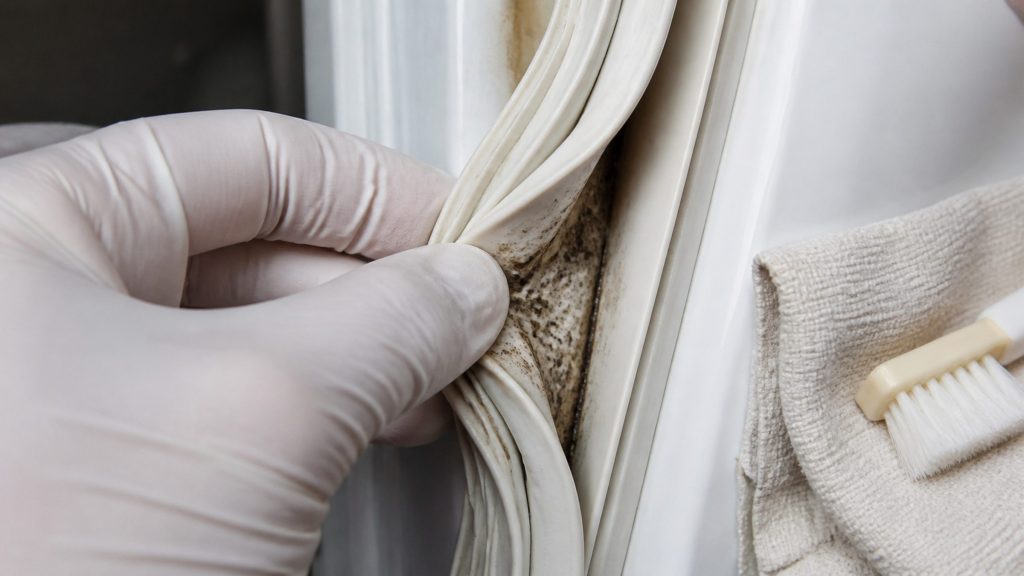
How to Clean Mold from a Refrigerator Door Gasket — and Why It Came Back
Cleaning it is twenty minutes. It returning within a month means the seal is no longer closing along that section — which is a repair, not a cleaning schedule.
Read more -
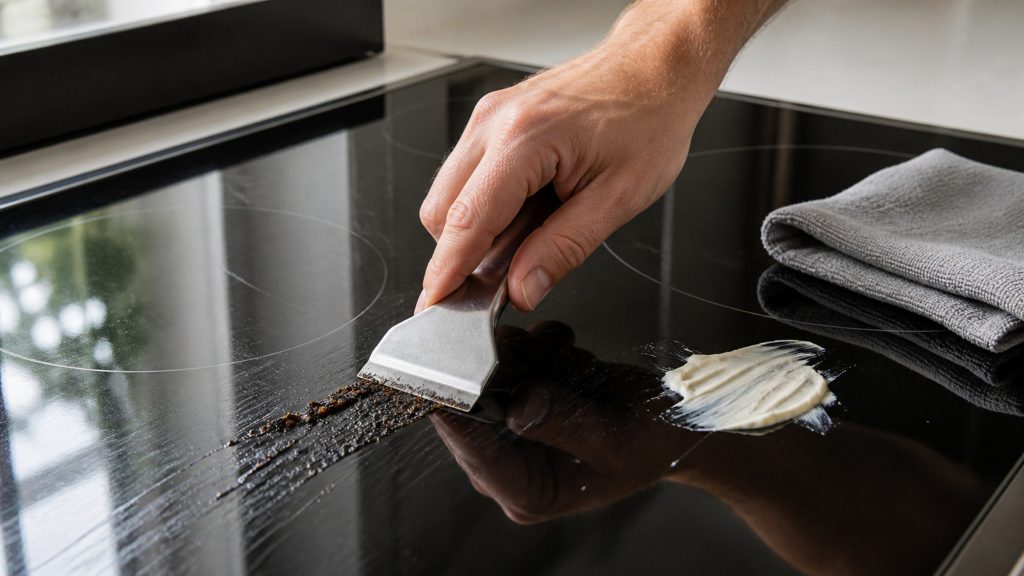
How to Clean a Glass Cooktop Without Scratching It — Including the Controls
The scraper everybody is frightened of is the correct tool. The cloth everybody trusts is what dulls the surface. And liquid on the sensor area locks the top out.
Read more -
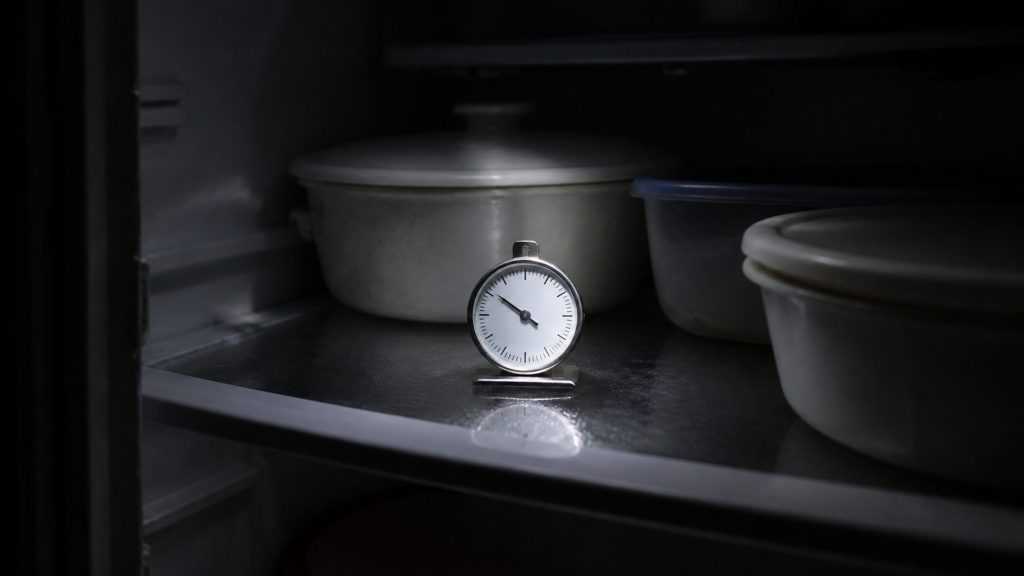
Hurricane Season: How Long Food Will Last in Fridge and Freezer After an Outage
Four hours closed is the federal guidance and it assumes nobody opens the door — which is the part that fails. A heavy built-in holds longer, and the appliance may have kept a record.
Read more
Tell us the model number and what it is doing.
This article is based on:
- Official manufacturer documentation
- Internal repair procedures
- Technician repair history
- Company quality standards