Safety & Risks
How to Clean Mold from a Refrigerator Door Gasket — and Why It Came Back
To clean mold from a refrigerator door gasket, wipe the folds with warm soapy water or a mild vinegar solution using a soft cloth and an old toothbrush, dry it completely, and do not use bleach or anything abrasive on the rubber. If it comes back within a few weeks the cleaning is not the problem: the seal is no longer meeting the frame along that section, letting warm humid air condense there continuously. The dollar-bill test finds which section, and in South Florida that gap is also what frosts the evaporator.
The full guide
How to clean mold from a refrigerator door gasket, properly
The cleaning is not complicated and it is not the interesting part of this page. Do it first, then read the second half, because whether it comes back is the actual diagnosis.
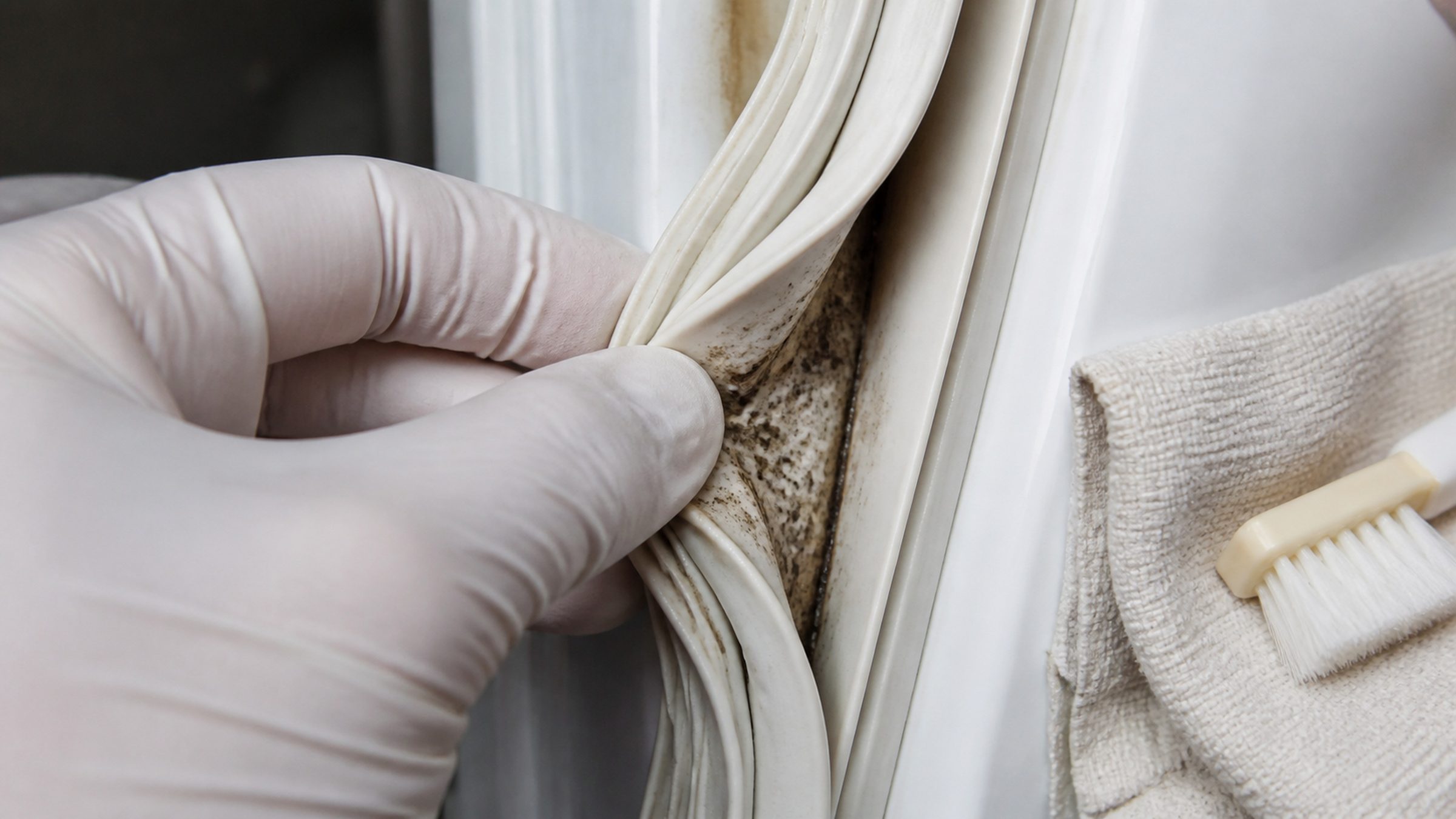
Open the folds. A door gasket is not a flat strip of rubber — it is a hollow section with a channel and folds, and the growth is inside them. Wiping the visible face achieves almost nothing.
Clean with warm soapy water, or a mild vinegar solution if you prefer. A soft cloth for the faces and an old toothbrush for the channel and the corners.
Dry it completely, including the channel. A damp gasket closed into a cold cabinet is exactly the condition you just spent twenty minutes removing.
Do not use bleach, and do not use anything abrasive. Both age the rubber, and hardened rubber seals worse — which is the thing that caused this in the first place.
Now the part that matters: the dollar-bill test
Take a dollar bill, close the door on it so half is inside and half is out, and pull.
You should feel real resistance. Do it at six or eight points around the whole door — top corners, middle of each side, bottom corners, middle of the bottom.
Anywhere the bill slides out easily, the seal is not gripping. That is where warm humid air is being drawn in continuously, and that is where the mold will come back within weeks no matter how carefully you clean.
Most gaskets do not fail evenly. They fail in one section — usually a corner, or the hinge side where the door has settled.
Why this is a South Florida problem specifically
Mold on a gasket needs three things: moisture, warmth and something to grow on. A refrigerator door provides the third one permanently, and in this climate the outside air provides the first two in quantities the appliance was never designed around.
Which means a gap that would be a slow nuisance in a dry state is a monthly recurring problem here, and it is one of the more common calls we get in August.
What the gap is doing besides growing mold
This is the reason to fix it rather than to clean it more often.
Warm, humid air reaching a cold cabinet does not just condense on the gasket. It condenses inside, on the evaporator, and freezes there. Frost builds, the air path between the compartments narrows, the fresh food side warms up and the compressor runs longer to compensate.
By the time somebody calls about a refrigerator that is not cold enough, the cause has frequently been a two-millimeter gap at one corner for months.
So the mold is the visible early warning, and it is worth reading as one.
What to do when the test fails
Two possibilities, and they need telling apart.
The gasket has hardened or lifted. Feel it — a good gasket is soft and springy, and a failed section is stiff or has pulled away from the door channel. It is one of the cheapest parts on the appliance and worth replacing rather than nursing.
The door has settled. Particularly on a panel-ready built-in, where the door is carrying cabinetry and has been doing so for years. The hinges are adjustable for exactly this, and a door reset with the panel on will close itself again.
Neither is a large job. Both keep coming back until they are done.
Keeping it away afterwards
Wipe the gasket when you clean the shelves. Once a month, thirty seconds, folds included.
Do not hang things on the door that stop it closing fully — a heavy bottle in a door bin on a cabinet that is fractionally out of level is enough.
Close it properly. In a house with children this is most of the problem, and a cabinet that self-closes solves it for you — which is one more argument for having the door set correctly rather than tolerating one that stands ajar.
The same problem on the other appliances
Worth knowing, because the same climate does the same thing elsewhere and the answers differ.
A dishwasher door seal. Same growth, same cause, and the extra factor is that the machine is warm rather than cold. Leaving the door on the latch between cycles is the fix, and it does more than any product.
A washing machine door bellows. The worst of the three, because the fold at the bottom of the boot holds water permanently and nothing in any cycle rinses it. Pull the rubber back and wipe into the fold monthly.
A wine cabinet's glass door. Condensation on the inside of the glass in August is frequently the room rather than the cabinet. Water pooling in the base is not, and it is worth acting on before the cabinet starts frosting.
What we check when we come out for this
The seal along its whole run rather than the section you noticed, because they fail in one place and the eye goes to the visible growth rather than the gap. Then the door closure from an inch open, then the cabinet level, then the hinges — in that order, because each one can cause the one before it.
It is a scheduled job rather than an emergency, and it is one of the cheapest things on this site.
Independent Miele service across Miami-Dade, Broward and Palm Beach. We are not affiliated with, authorized by or endorsed by any manufacturer.
If it turns out to be a repair
What this leads to, and what it costs
Every job on this site is priced the same way: an on-site diagnostic first, the figure agreed in writing before anybody starts.
-
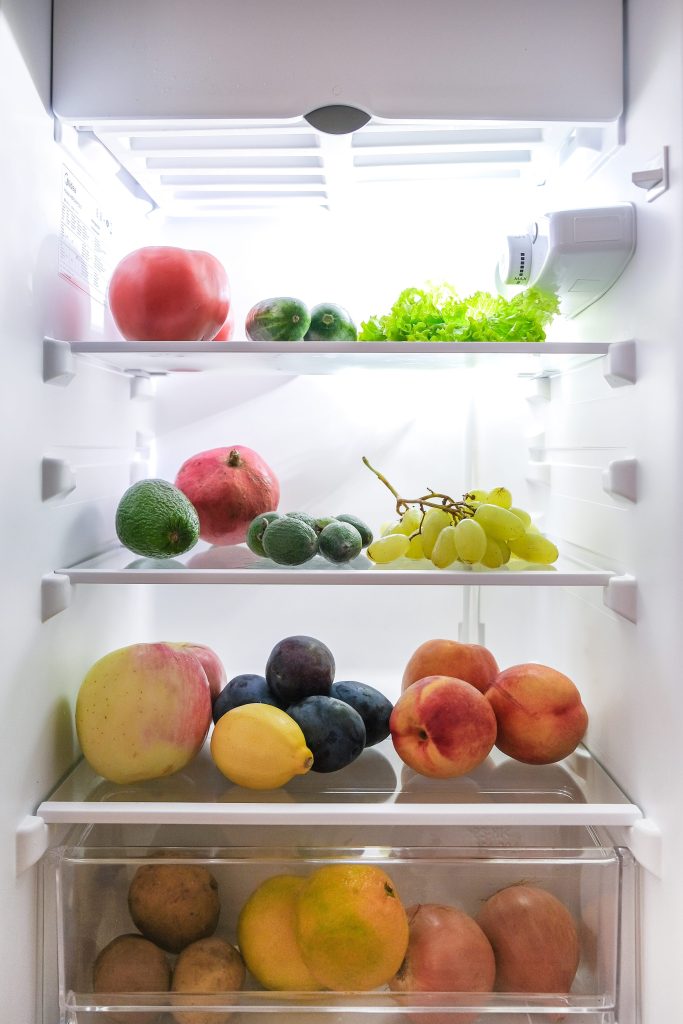
MasterCool columns · Built-in bottom mounts · Built-in freezers · Panel-ready Refrigeration
MasterCool columns and built-in cabinets, most of them behind your own panels. What is distinctive about their conditions is that the cabinet usually keeps running while it reports: it is telling you a reading has stopped making sense, not that it has stopped cooling — so there is normally time to act rather than to empty it.
- A cabinet running warm while the compressor sounds normal
- Frost building on the back wall of the freezer
- A door that no longer pulls itself shut
-
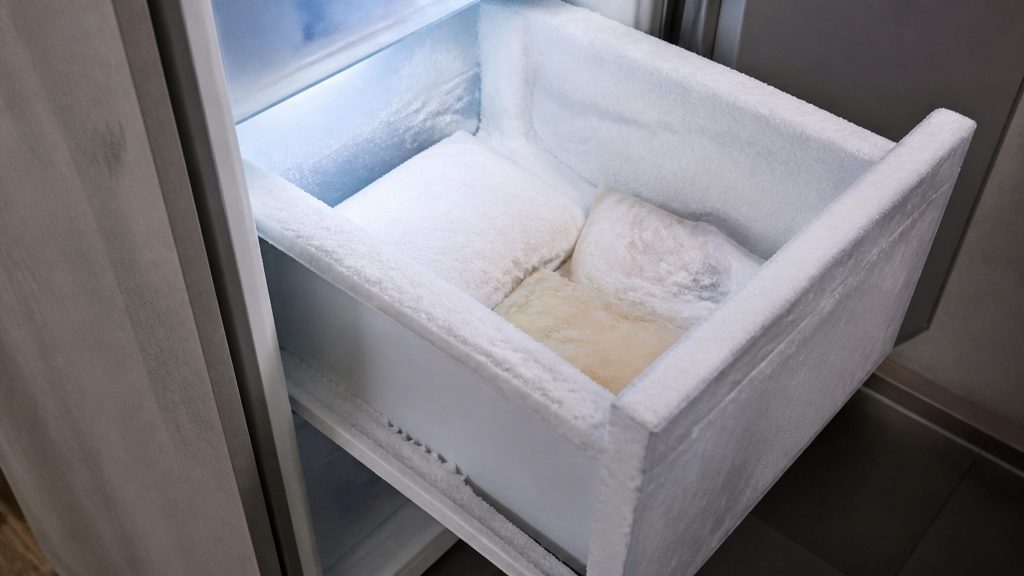
On the back wall, or around the door Frost building up in the freezer
Frost is moist air meeting a cold surface, so the question is always where the moist air is getting in — and in this humidity a door seal a few millimeters proud is enough to do it.
- Frost on the back wall of the freezer
- Ice around the door opening
- A fresh-food side getting warmer as the frost grows
-
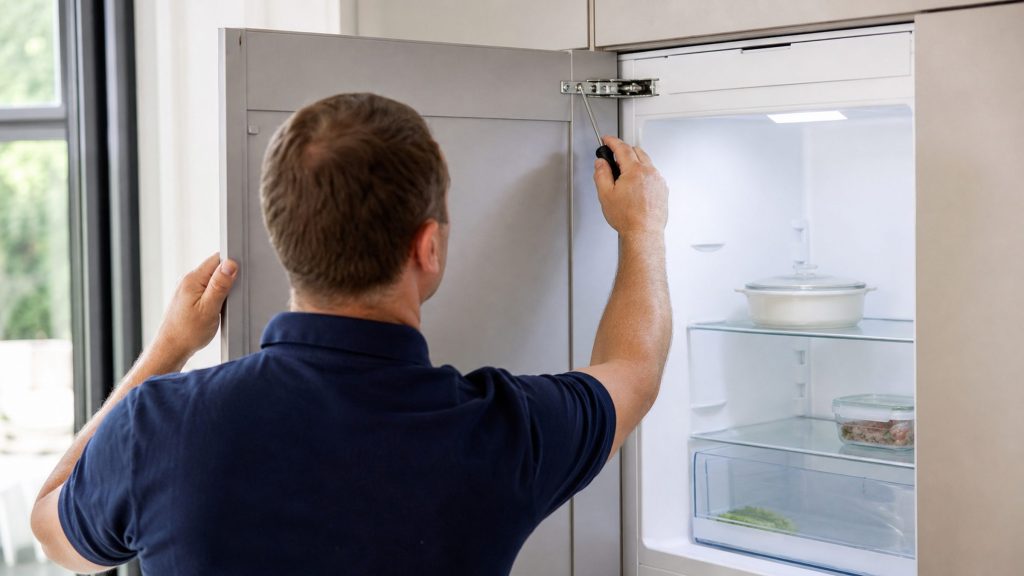
from $165 Refrigerator door & panel alignment
A panel-ready door is carrying your cabinetry, and cabinetry is heavy. Over time it settles, and a door standing a fraction open in this humidity is not a cosmetic problem — it is frost on the evaporator and a cabinet that never stops running.
- Doors set with the panels on, not before
- Seals checked along their whole run
- Pairs of columns aligned to each other as well as to the room
Questions people ask about this
Why not bleach?
It hardens the rubber and shortens the gasket's life, and a hardened gasket seals worse — which is what caused the problem in the first place. Warm soapy water and a mild vinegar solution do the job without that trade.
It comes back every month.
Then the section it comes back on is not sealing. Do the dollar-bill test at half a dozen points around the door; wherever the bill slides out easily is where warm air is getting in and condensing. That is a repair rather than a routine.
Is it dangerous?
It is a hygiene problem rather than an emergency, and worth dealing with promptly rather than urgently — the gasket is inches from food. What makes it worth acting on quickly is the gap behind it, which is doing quiet damage to the appliance at the same time.
Can a gasket be replaced separately?
On most refrigeration, yes, and it is one of the cheapest parts on the appliance. On a built-in column it is a job worth having done properly, because the door has to be set square afterward or the new gasket goes the same way.
Why is this so much worse in Florida?
Because the gasket is where warm humid air meets a cold surface, and here the air outside the cabinet is carrying far more water than the appliance was designed around. A gap that would be a slow nuisance elsewhere is a weekly problem in August.
Safety & Risks
More guides like this one
-
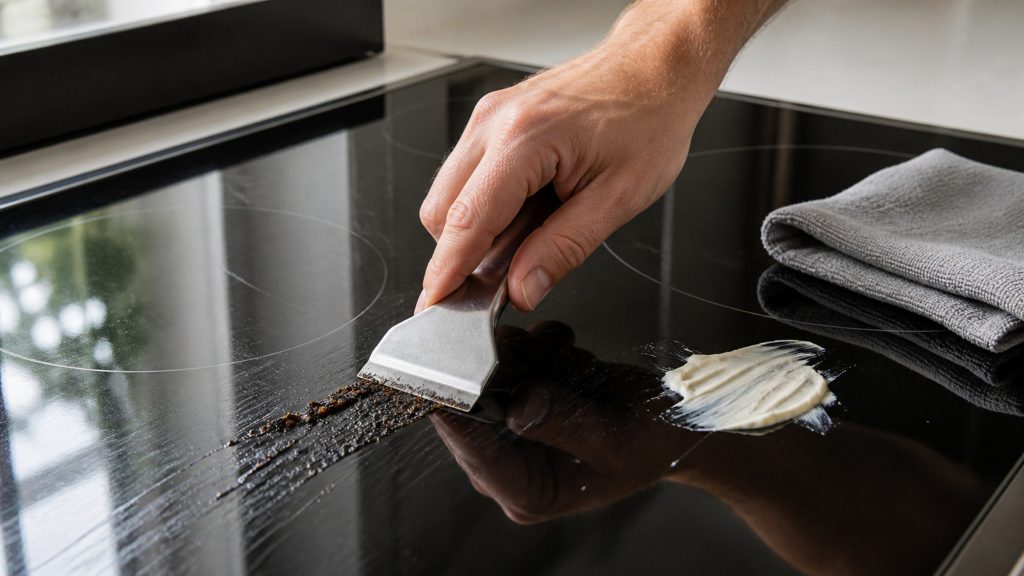
How to Clean a Glass Cooktop Without Scratching It — Including the Controls
The scraper everybody is frightened of is the correct tool. The cloth everybody trusts is what dulls the surface. And liquid on the sensor area locks the top out.
Read more -
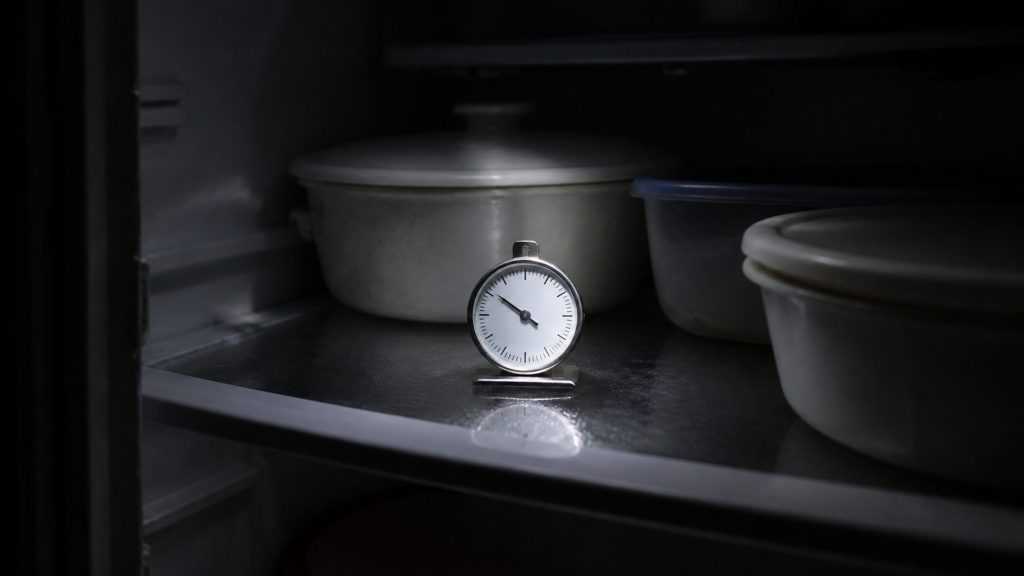
Hurricane Season: How Long Food Will Last in Fridge and Freezer After an Outage
Four hours closed is the federal guidance and it assumes nobody opens the door — which is the part that fails. A heavy built-in holds longer, and the appliance may have kept a record.
Read more -
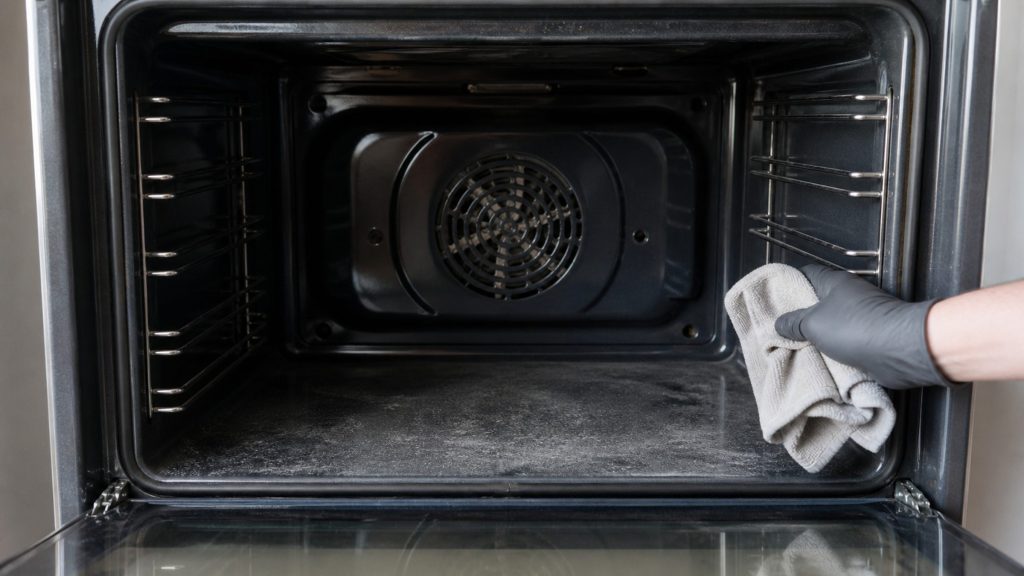
How Long Does Miele Oven Self Cleaning Take, and the Step Before It
The duration is the easy half. The important half is that the maker publishes a condition for the clean temperature not being reached because of soiling left in the cavity.
Read more
Tell us the model number and what it is doing.
This article is based on:
- Official manufacturer documentation
- Internal repair procedures
- Technician repair history
- Company quality standards