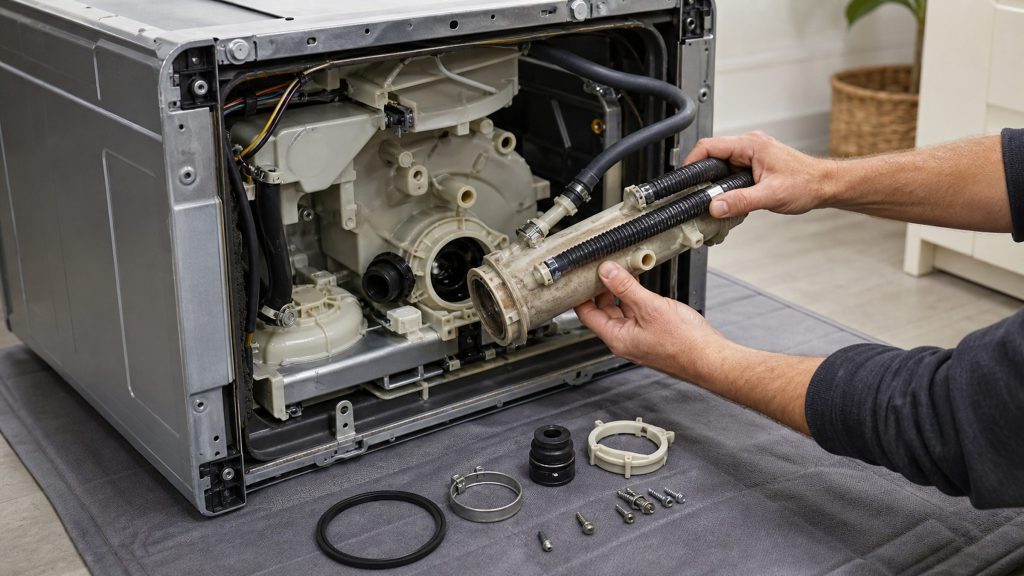
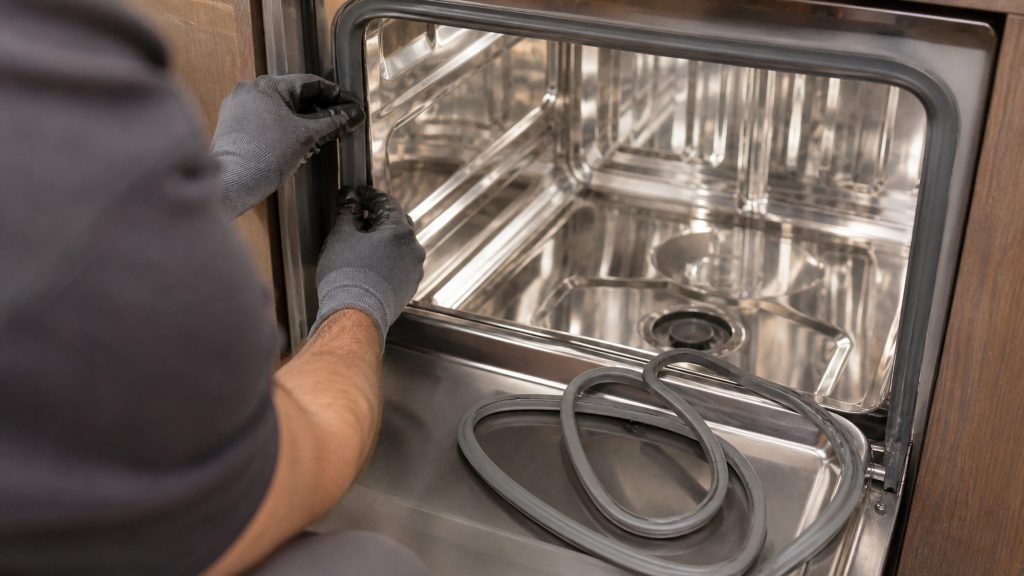
- Dishwashers. The water path first — tap, inlet filter, hose, drain — then the circulation pump, the diverter, the heater circuit and the door
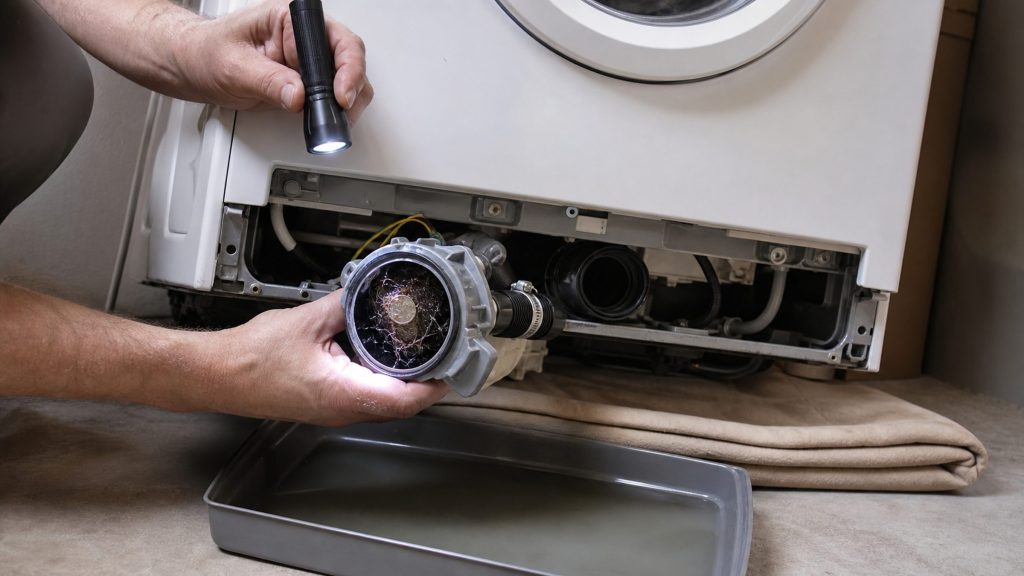
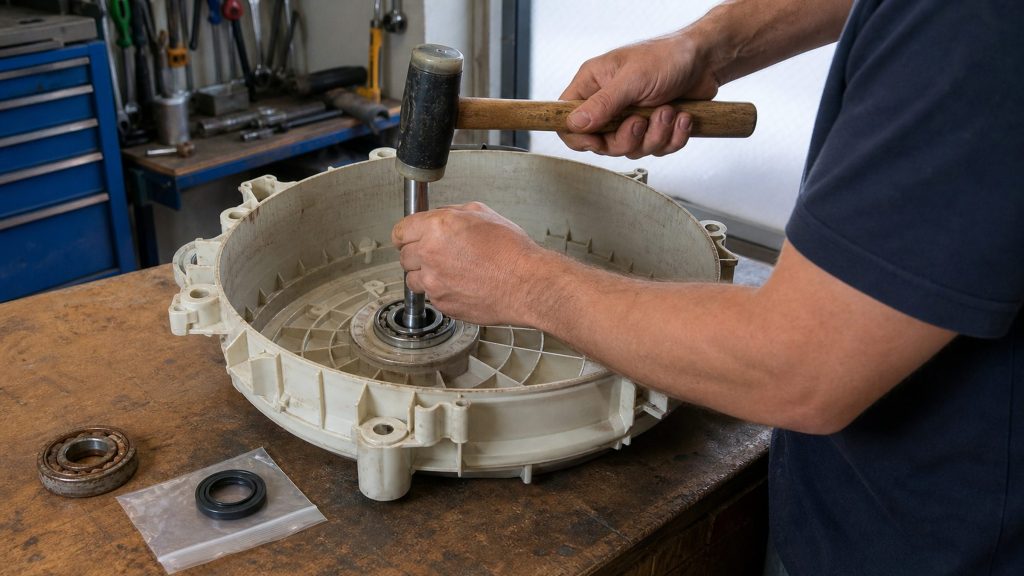
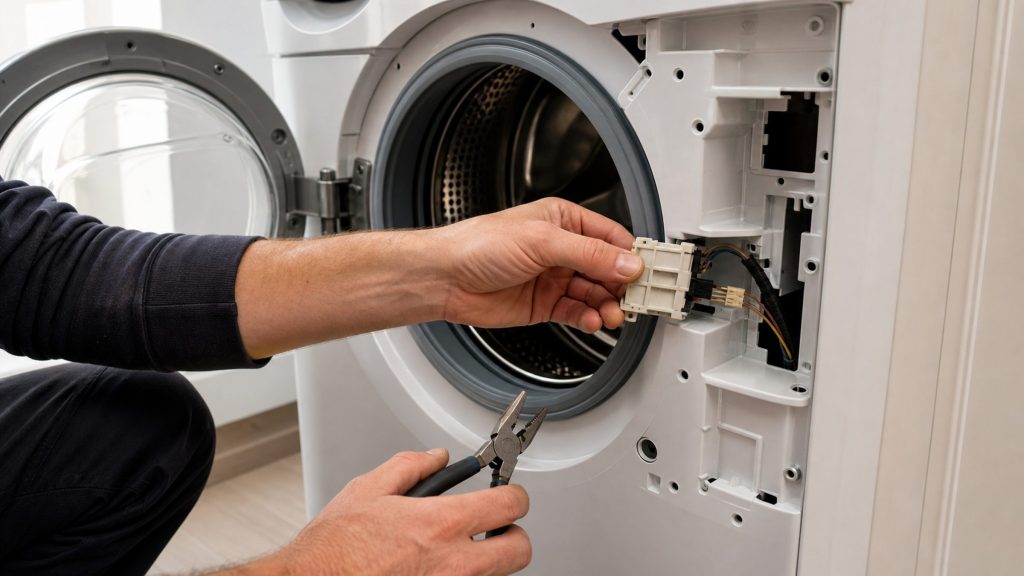
- Washing machines. The door lock, the drain pump and pressure system, the heater, and bearings on the oldest machines
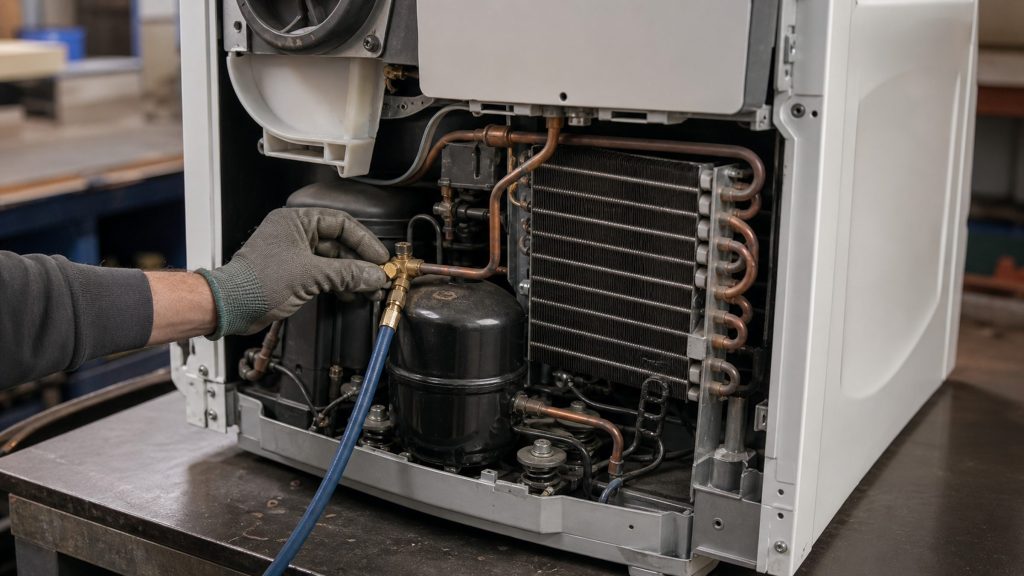
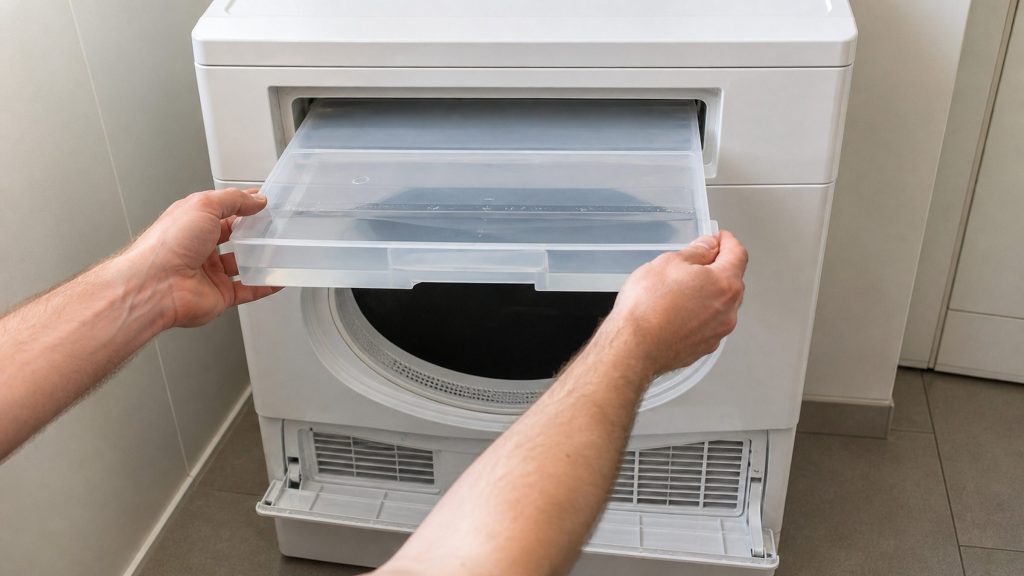
- Heat-pump dryers. Filters and the condenser block first, then the condensate path, then the sealed refrigerant circuit
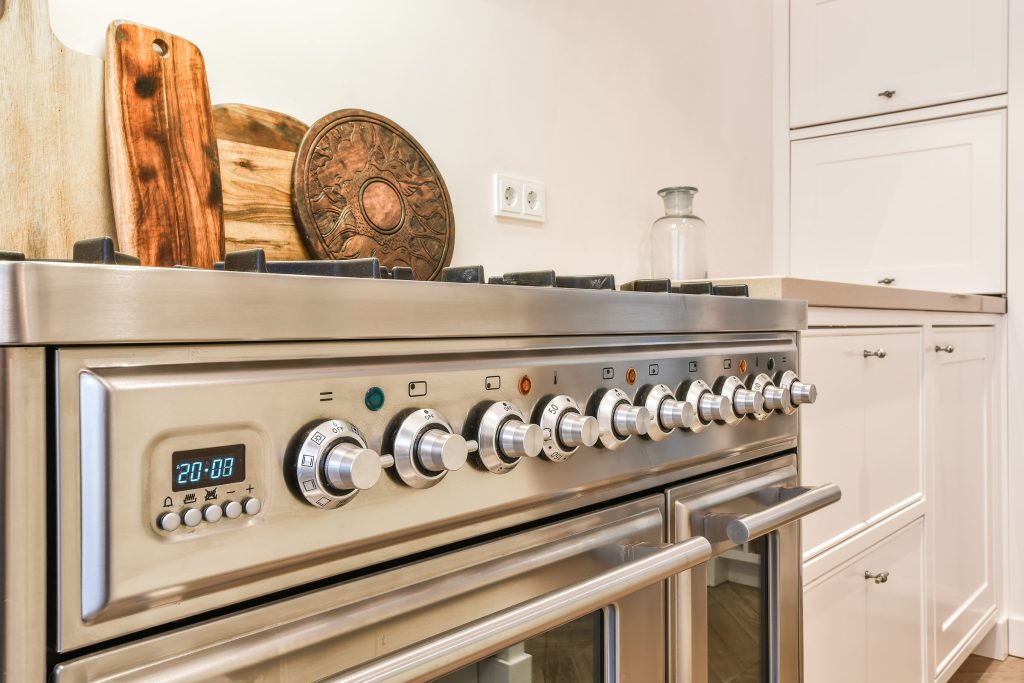
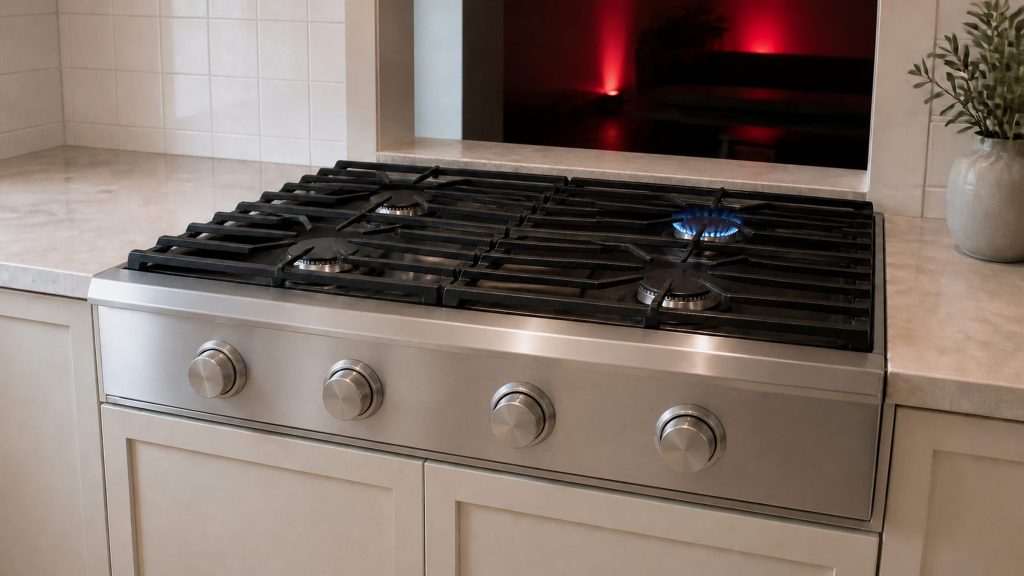
- Ranges. Two systems in one cabinet: the cooking surface and the oven cavity, reporting separately
- Cooktops. Overheating protection on induction, sensor controls locked out by liquid, the generator, and the glass
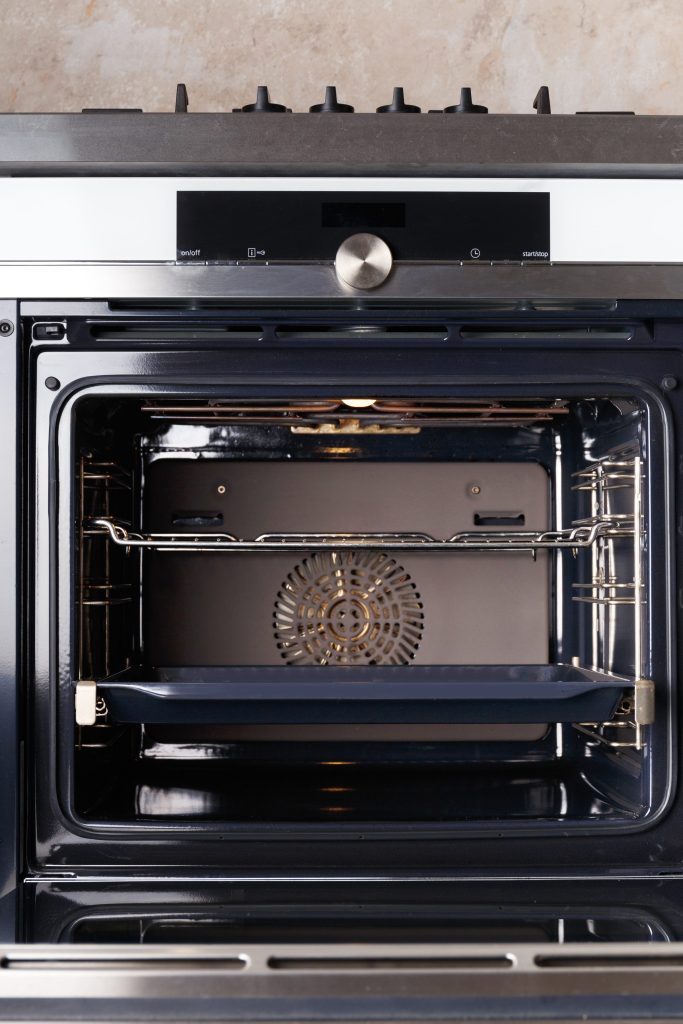
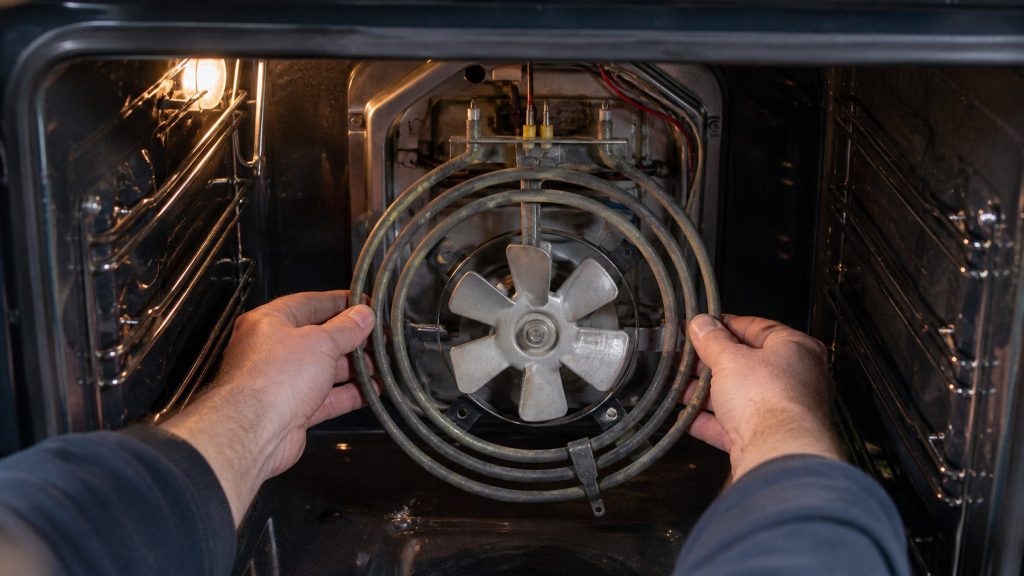
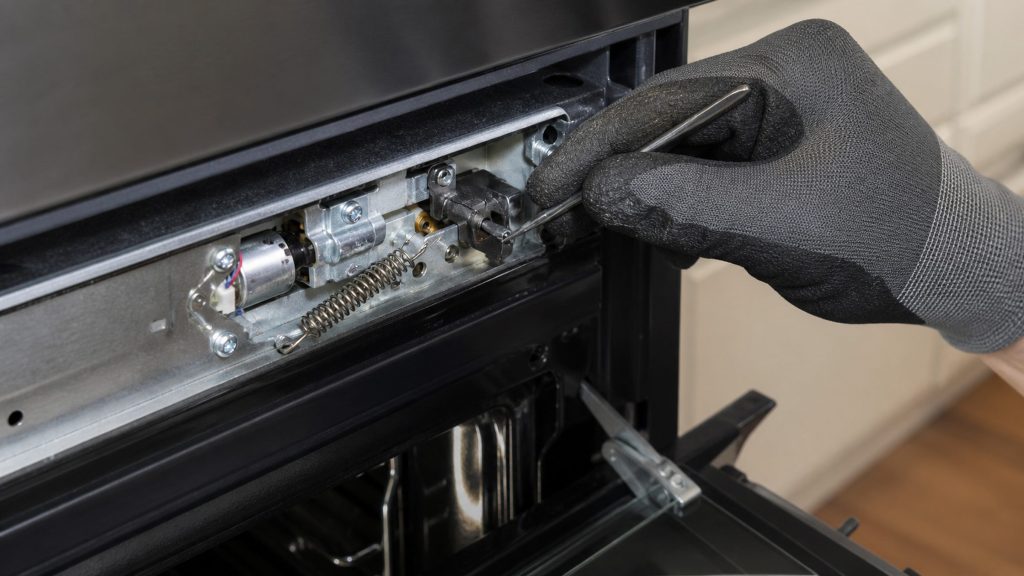
- Ovens and steam ovens. Sensors, elements, door latches after a self-clean, and on the steam side the whole water path
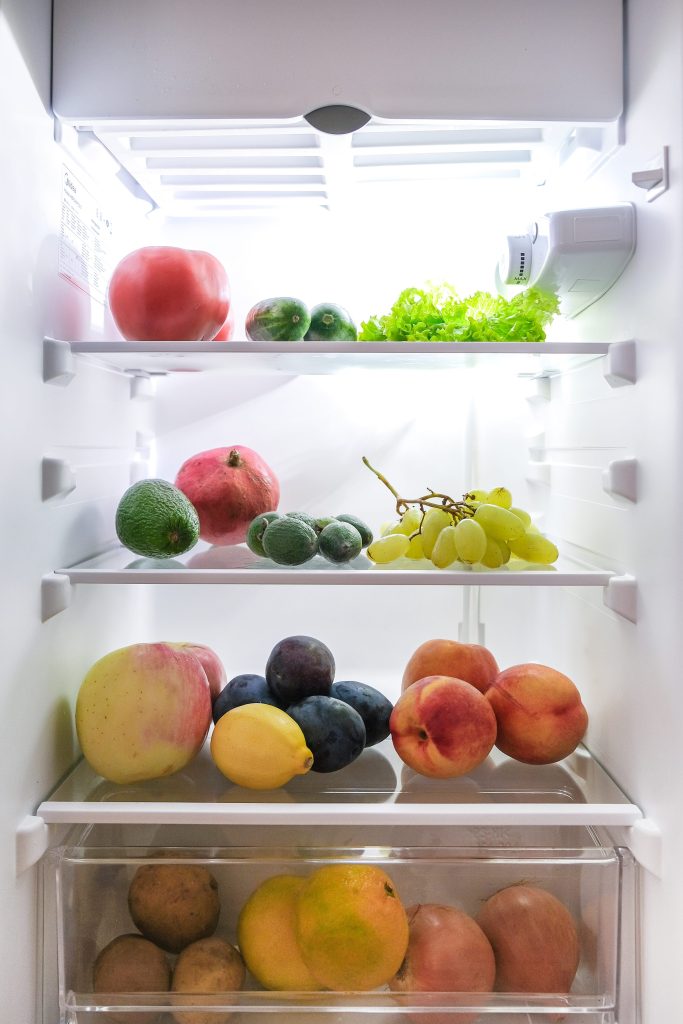
- Refrigeration. The condenser first, always, then sensors, fans, defrost, seals and alignment. The sealed system is what remains
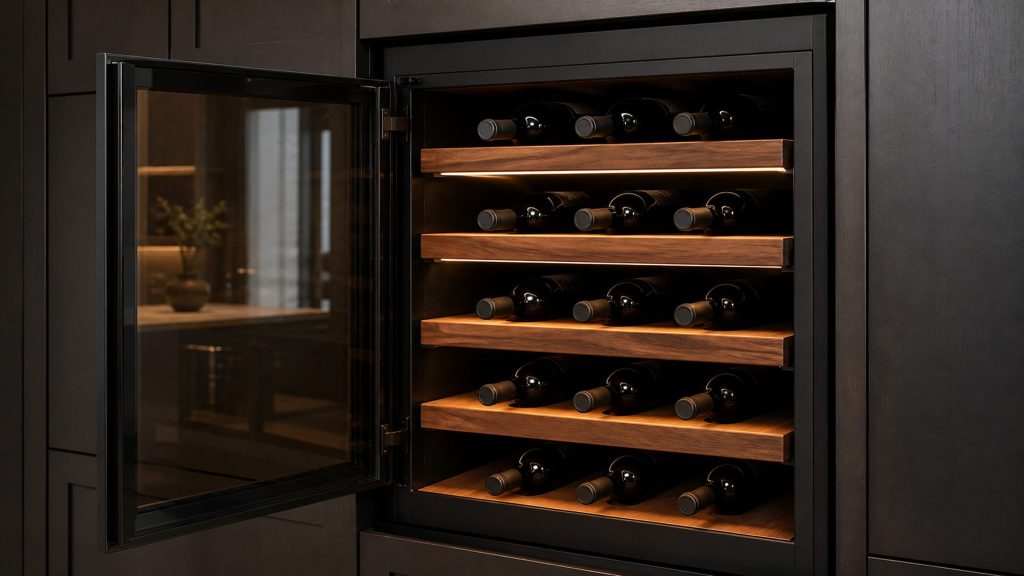
- Wine refrigerators. Zone sensing, a damper or a zone fan, and a glass door doing real thermal work in this climate
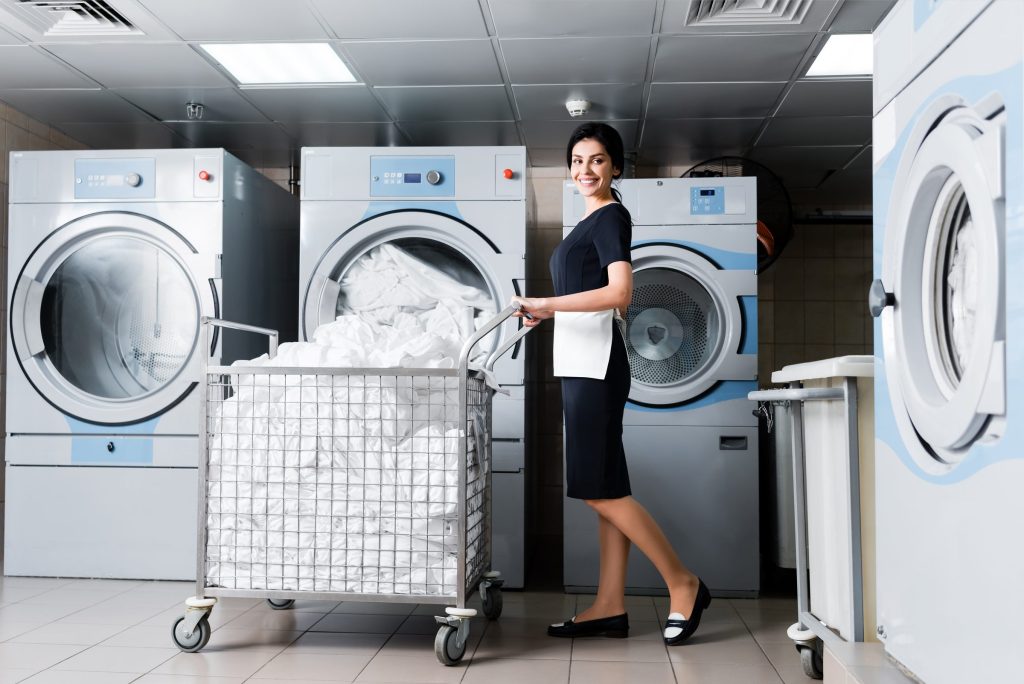
- The professional line. Duty cycle rather than age: pumps, locks and bearings on machines running eight cycles a day
One alphabet, and what that is worth
Miele writes its conditions the same way on every appliance it builds — an F and a number — because it is one company that has never been bought and has never inherited somebody else’s control platform. That makes the archive on this site unusually consistent. It also means the number alone is not enough: the same F1 is a water circuit on one machine and a sensor on another, so every page here names the appliance as well as the number.
What the maker says an owner should not touch
Of the conditions this manufacturer publishes, a clear majority carry the sentence that they cannot be remedied by the owner. We repeat that rather than working around it: those pages carry no invented checklist. The ones that do have steps have the maker’s own steps, and several of them genuinely end the call for the price of the visit.
Model numbers
On the edge of the door on a dishwasher, inside the door opening on a washer or dryer, on the door frame of an oven, on the upper interior wall of a refrigeration column, underneath a cooktop. A photograph of the plate is enough — it gives us the line, the configuration and which parts fit, before anybody drives anywhere.
 English