The number and the letters are one string
These numbers are written with spaces and letters that look decorative and are not. G 7936 SCi AutoDos, WXR 960 WCS, KFN 7795 D: the digits place the machine in its generation and the letters after them say how it is fitted and what it carries – integrated or freestanding, with or without a dosing system, panel-ready or finished. Two machines whose numbers differ only in the suffix take different doors, different panels and sometimes different boards. That is why we ask for the whole string rather than the first half.
Where the plate is
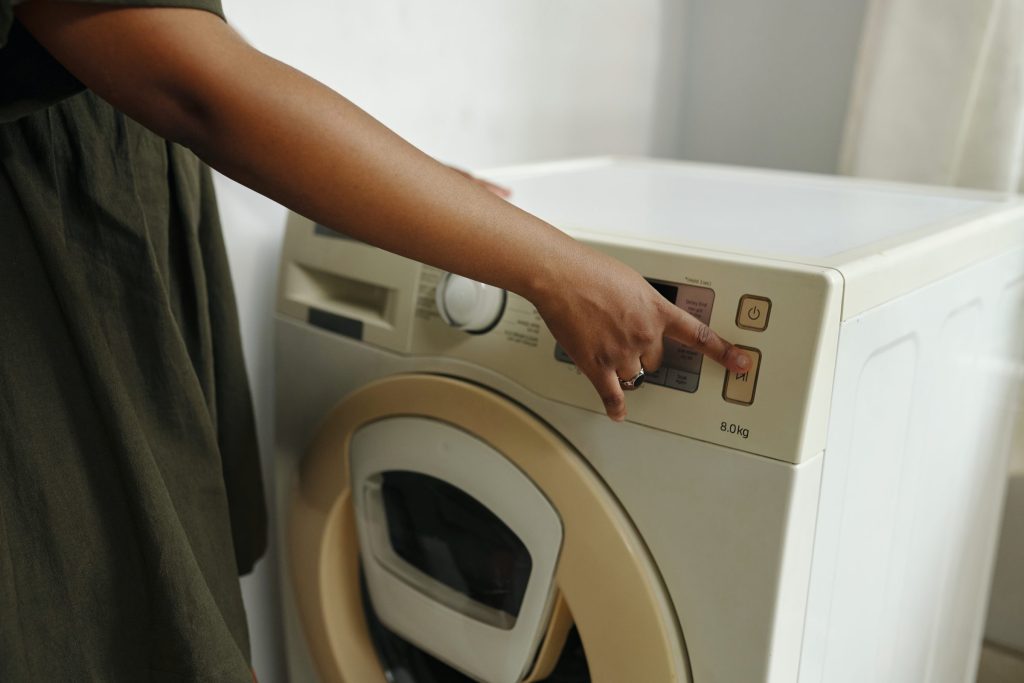
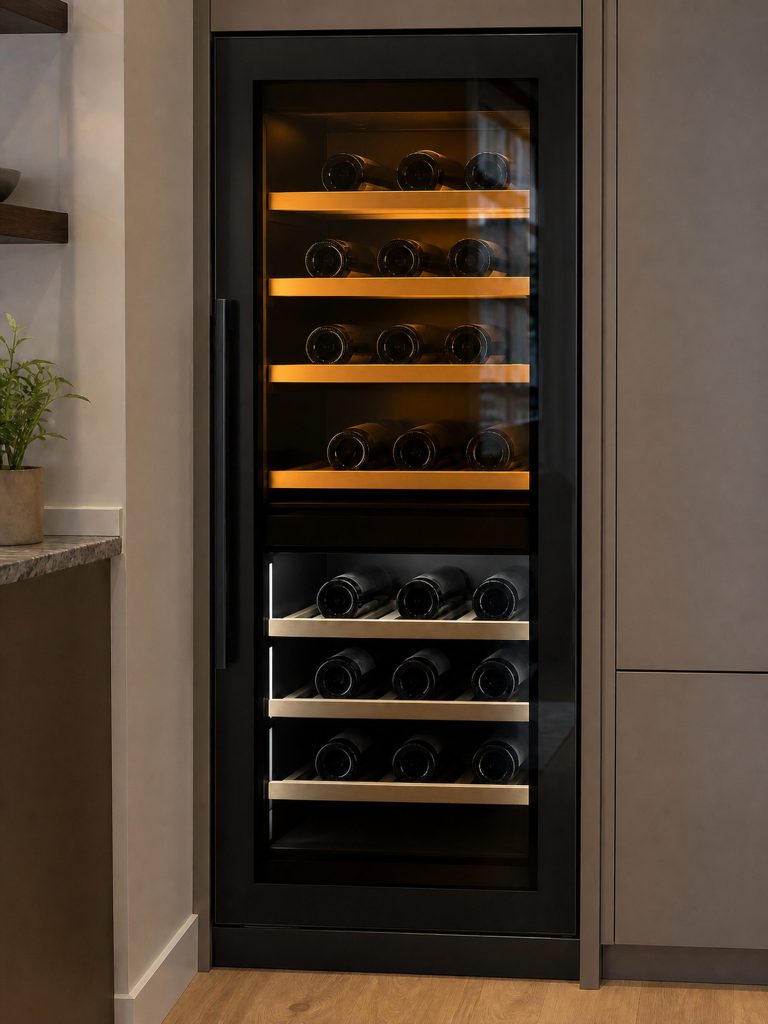
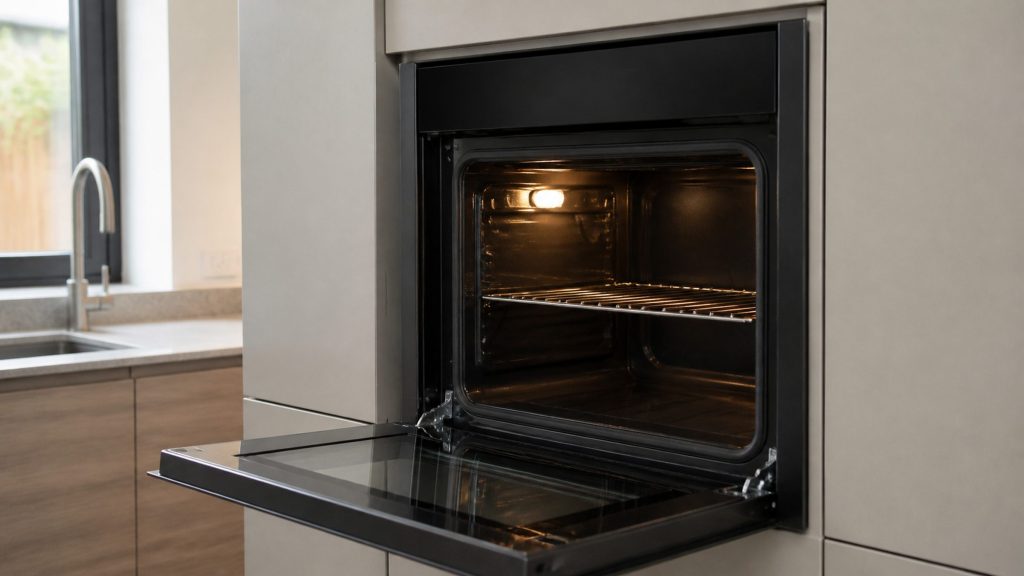
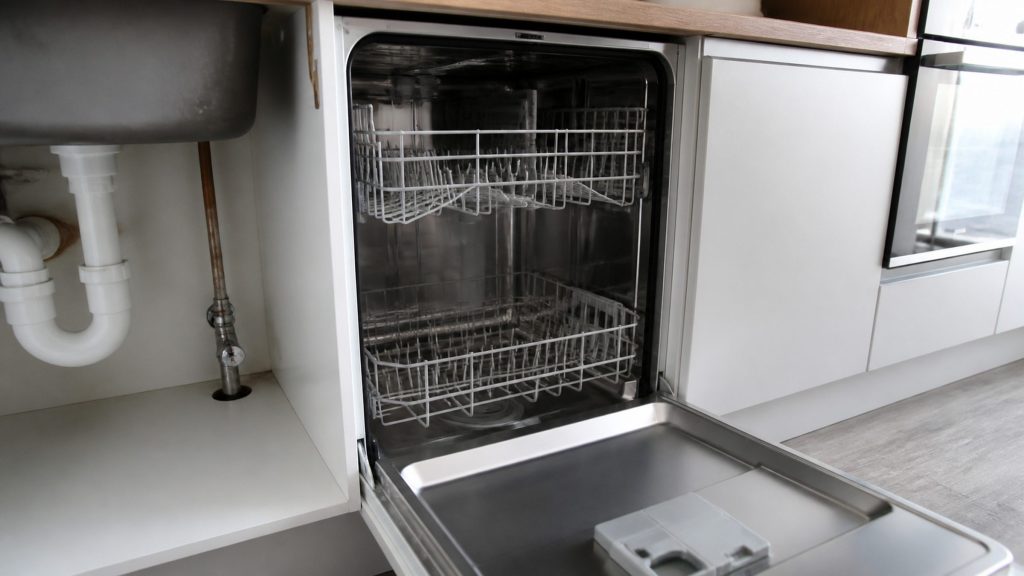
On a dishwasher it is on the tag on the edge of the door, visible only when the door is open. On a washing machine or dryer it is inside the door opening, or behind the lower service flap. On an oven it is on the frame behind the door. On refrigeration it is on the inside wall along the upper left. Photograph the whole plate rather than typing it – the spaces and the letters are where transcription goes wrong.
Why the number matters more here than on most makes
Because the codes are shared and the machines are not. F1 means five different things depending on which appliance is showing it. Reading a condition correctly needs both halves: the number on the display and the number on the plate. On this badge one without the other is genuinely ambiguous, and this is the make where that bites hardest.
If the plate is unreadable
Ordinary near the water, and common on a machine that has lived in a garage laundry. Send a photograph of whatever is left, with the appliance type and roughly when it was installed, and we narrow it down from the serial or from what is visible. It does not stop a repair.
This list is not the limit of what we repair
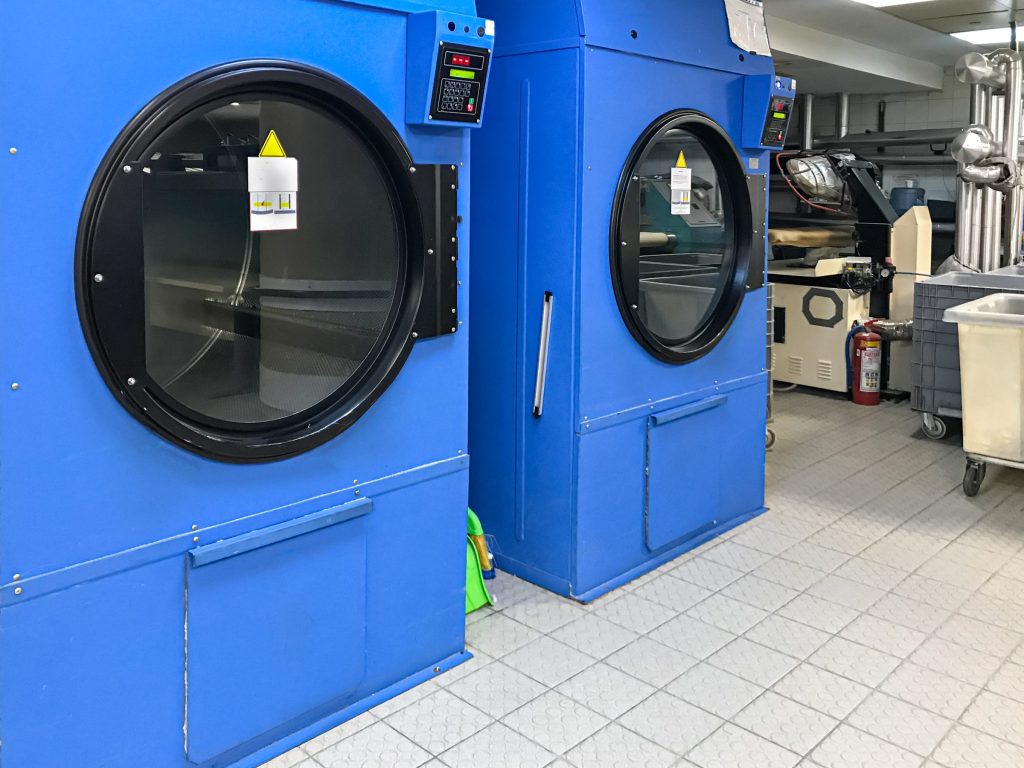
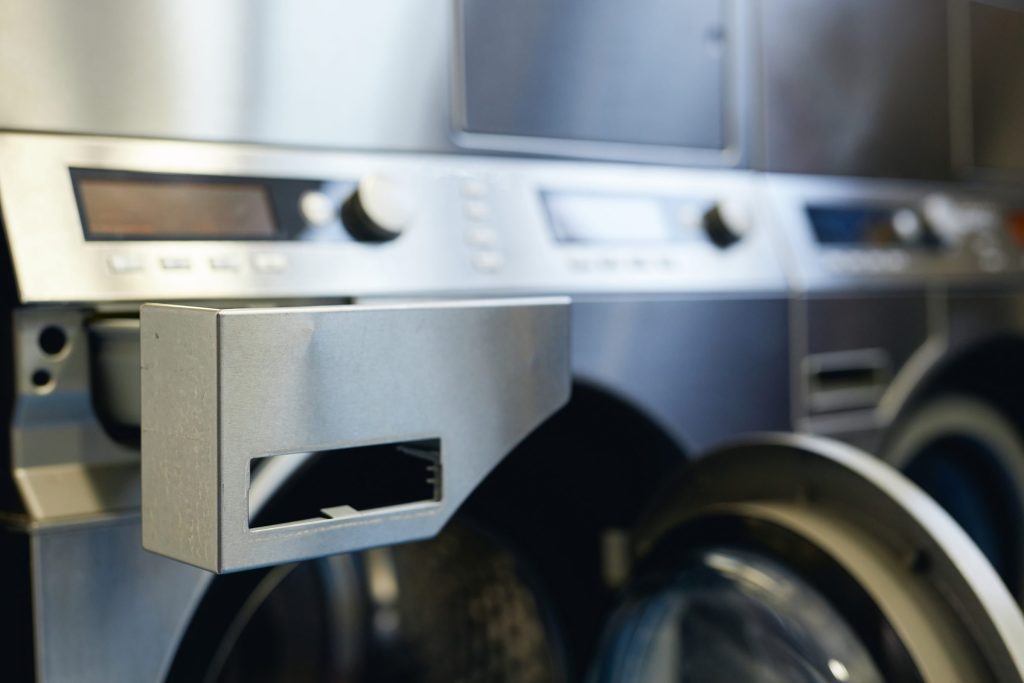
These are the numbers people ask about, including the commercial and professional machines, not the whole of what we cover. If yours is not here, send it anyway – we work across Miami-Dade, Broward and Palm Beach on the current line and on older equipment for as long as parts are still made.

 English