Common Problems
Why Does My Miele Oven Take So Long to Preheat? Cavity Size, or a Sensor
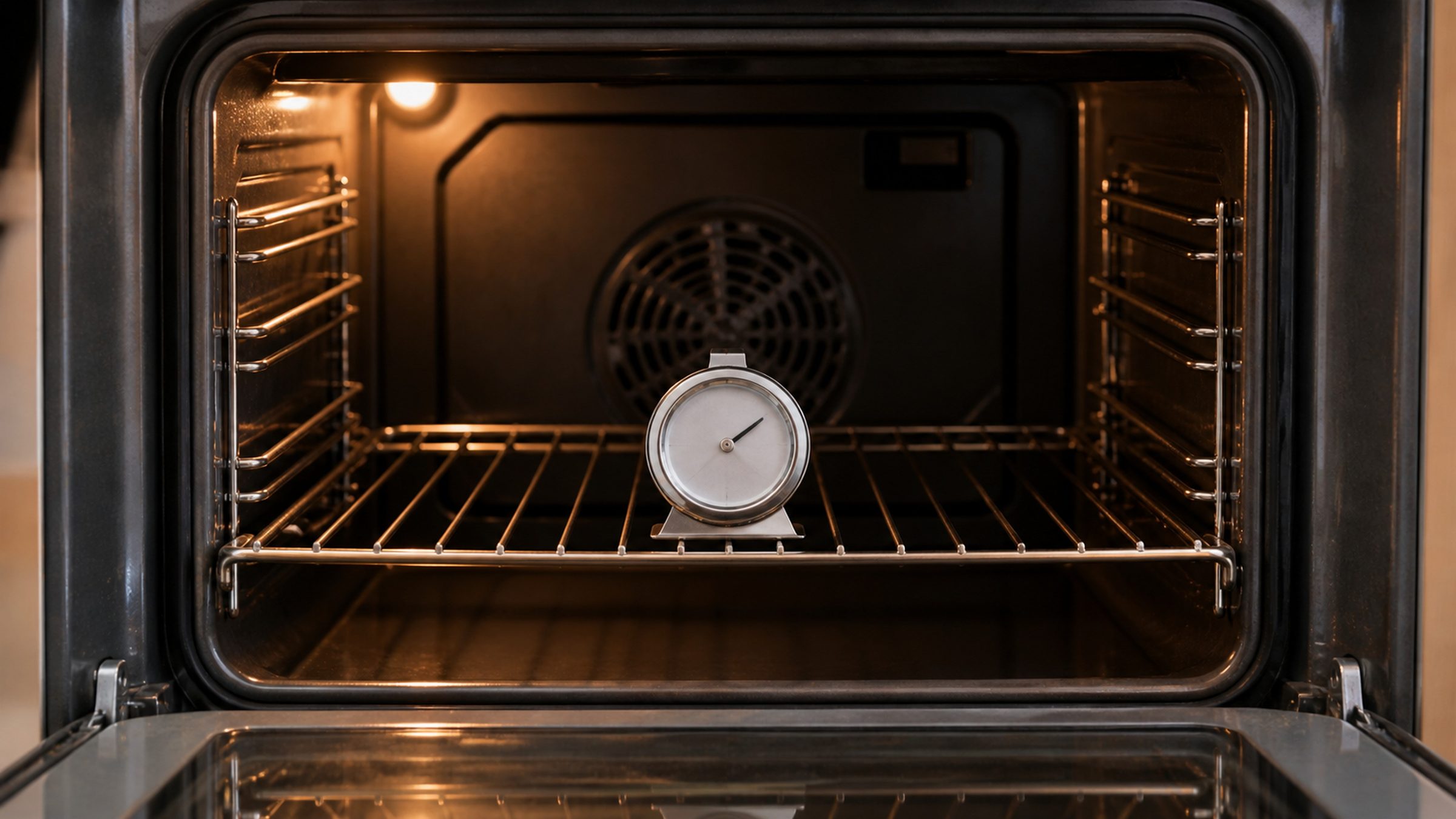
A Miele oven takes longer to preheat than a small or less accurate oven because the cavity is large and the control waits for a genuine stable temperature rather than an approximate one. Ten to fifteen minutes to 350°F is normal; twenty-five or more, or a preheat that has got noticeably longer than it used to be, is worth measuring. Put an oven thermometer on the middle shelf and time it — that single test separates a characteristic from a failing element or a drifting sensor.
The full guide
Why a Miele oven can be slow to preheat, and what normal looks like
Three ordinary reasons and one real one, and telling them apart takes a cheap thermometer and twenty minutes.
Roughly ten to fifteen minutes to 350°F is a reasonable expectation for a full-size built-in oven. Under ten is fast. Over twenty-five is worth investigating. And a preheat that has got noticeably longer than it was a year ago is worth investigating regardless of the absolute number.
The three ordinary reasons
The cavity is large. More air, more steel, more glass. A 30-inch built-in has substantially more thermal mass than the apartment oven somebody moved from, and it takes proportionally longer to bring up. This is the commonest reason for a complaint from an owner who has just changed kitchens, and there is nothing to fix.
The control is honest. An oven that reaches its set point and holds it steadily gets there more slowly than one that overshoots and calls that ready. The trade is a cavity that actually is 350°F, which is why baking results are more consistent.
The ready signal is not always a measurement. On a number of ovens the beep is a calculation rather than a reading at the shelf, so it can arrive while the cavity is still climbing. That is worth knowing rather than fighting, and it is the reason for the test below.
The test, which costs about ten dollars
Buy an oven thermometer. Put it on the middle shelf, not hanging from the top rack.
Set the oven to 350°F on conventional bake. Note the time you press start, the time it beeps, and — this is the part people skip — the temperature the thermometer actually reads at the beep.
Then leave it another twenty minutes and read it again.
Four possible outcomes, and each one is a different answer:
- Beeps at 12 minutes, thermometer says 350°F. Nothing is wrong. This is what a well-behaved oven does.
- Beeps at 12 minutes, thermometer says 300°F, reaches 350°F ten minutes later. The signal is optimistic. Not a defect — add ten minutes to your habits, or use convection.
- Reaches temperature but settles at 320°F and stays there. That is a drifting temperature sensor and it is a cheap part. It is also worth fixing rather than working around, because an oven that is consistently thirty degrees out is cooking everything wrong in ways that are hard to see.
- Never reaches 350°F at all, or takes forty minutes. That is an element or the relay driving it, and it is a repair.
Those four outcomes are why measuring beats describing. "It seems slow" has four different answers; a thermometer reading has one.
Two things that make it worse and are free to change
Preheat with the oven empty. A cavity full of cold cast iron and baking stones is a cavity that has to heat all of that too. Very common with people who leave a pizza steel in permanently and then wonder why preheating takes forty minutes — that is the steel, and it is behaving exactly as intended.
Use convection where the recipe allows. Moving air brings the cavity up faster and more evenly. On most of these ovens it is the better default, and only genuinely delicate bakes need radiant heat alone.
When it is worth calling
If the thermometer says the oven is not reaching temperature, or is reaching it and sitting well below the set point, that is measurable and it is a repair.
The useful thing to have ready is the reading rather than the impression: what it was set to, what the thermometer said, and how long it took. That single sentence changes what comes on the van, because a sensor and an element are different parts and the numbers tell them apart before anybody arrives.
If there is also a number on the display, look it up under oven specifically — this maker publishes a condition for the cavity temperature being too high and another for the appliance switching itself off during use, and either of those is a much more specific starting point than a slow preheat.
What a slow preheat costs you, beyond the wait
Two things, and the second one is the reason to bother measuring rather than adapting.
Baked goods. Anything that relies on hitting a hot cavity — bread, pastry, a souffle — is set by the first few minutes. An oven that is fifty degrees short at the moment the tray goes in produces a different result, and no amount of extra time at the end recovers it.
Everything else, invisibly. A roast in an oven that is consistently thirty degrees cool simply takes longer and nobody notices, because the timer gets extended and the food comes out fine eventually. That is the version worth catching, because it means an appliance has been out of calibration for years and nobody had a reason to check.
The five-minute version of this page
Put a thermometer on the middle shelf. Set 350°F. Note the time and the reading at the beep, and the reading twenty minutes later.
Right at the beep: nothing wrong. Right later: the signal is optimistic, add time. Settles low: sensor. Never gets there: element. Four readings, four answers, ten dollars.
Independent Miele service across Miami-Dade, Broward and Palm Beach. We are not affiliated with, authorized by or endorsed by any manufacturer.
If it turns out to be a repair
What this leads to, and what it costs
Every job on this site is priced the same way: an on-site diagnostic first, the figure agreed in writing before anybody starts.
-
H wall ovens · DGC combi-steam · Speed ovens · Warming and vacuum drawers Ovens, steam ovens and drawers
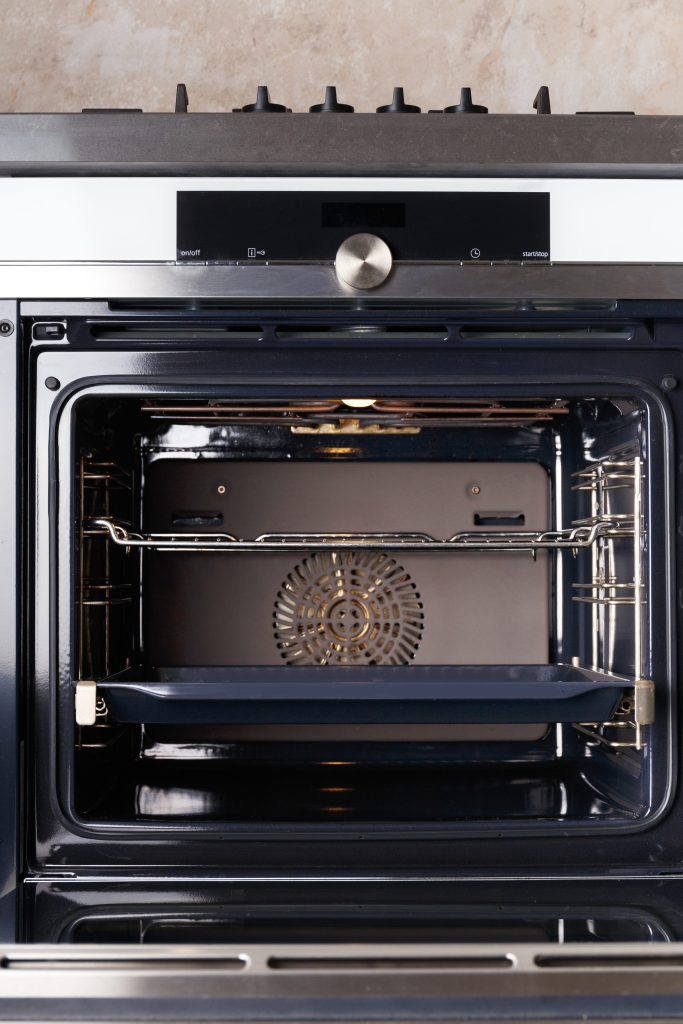
One control family covers the wall ovens, the combi-steam ovens, the speed ovens and the drawers, which is why they share a page. The steam side adds a set of conditions all its own — about the intake valve, the nozzle, the container, and the hardness of the water itself.
- A cavity that will not reach or hold temperature
- A steam program that stops and asks about water
- A door locked after a self-clean
-
Or will not hold the temperature Oven will not heat
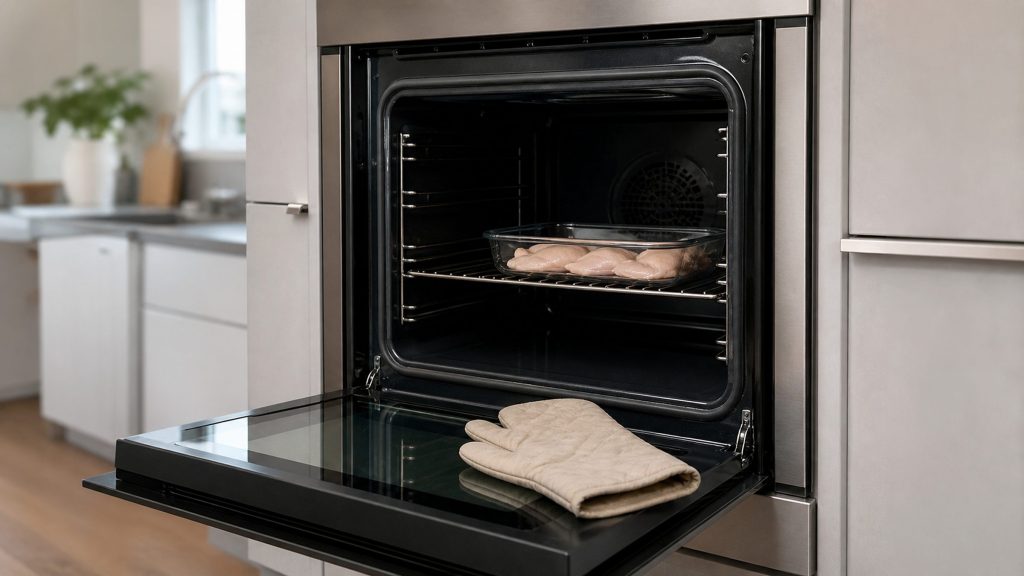
Cold, or simply wrong. An oven that is out by a consistent amount and one that swings between are different problems, and only one of them is the sensor everybody blames.
- The cavity never reaches temperature
- Food browning on one side only
- An oven consistently thirty degrees out
-
from $195 Oven element & sensor repair
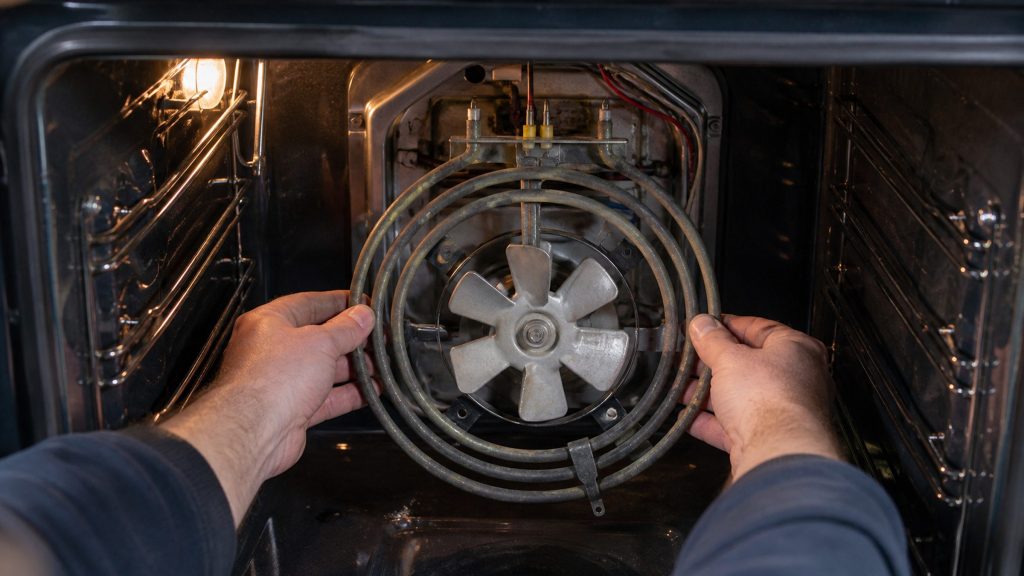
An oven that will not reach temperature, will not hold it, or is simply wrong by a consistent amount. The element and the sensor produce complaints that sound identical in the kitchen and cost very different amounts.
- Temperature measured at the shelf, not read off the panel
- Sensor and element tested separately
- Access into a tall housing planned rather than improvised
Questions people ask about this
The oven beeps before it is actually hot.
On several ovens the ready signal is calculated rather than measured at the shelf, so it can arrive while the cavity is still climbing. That is normal and it is also why a thermometer is worth ten dollars: you learn what your oven's beep is actually worth and add the difference.
Does the convection setting preheat faster?
Usually yes, meaningfully. Moving air brings the whole cavity up more evenly and quicker than radiant heat alone, and on most of these ovens it is the sensible default for anything that is not a delicate bake.
Is a large oven always slower?
There is more air and more metal to heat, so yes, all else being equal. What people notice most is moving from a small apartment oven to a full-size built-in and reading the difference as a problem.
It preheats fine but the food takes longer than the recipe.
Then the preheat is not your issue — the holding temperature is. An oven that reaches 350°F and then sits at 325°F is a drifting sensor, and it is a cheap part that is worth measuring rather than cooking around.
Could a self-clean cycle have caused it?
Occasionally. The temperatures in a self-clean are high enough to be the last straw for an element or a door seal that was already tired. If a preheat problem appeared immediately after a clean cycle, say so when you book — it points somewhere specific.
Common Problems
More guides like this one
-
Why Does My Miele Dryer Take So Long to Dry? Design, or a Problem
Slow is the design. Slower than last year is a message. Telling the two apart takes one cycle and no tools.
Read more -
Why a Miele Dishwasher Gets Through So Much Rinse Aid
Usually the dosage setting nobody has ever opened — and occasionally a dispenser that is leaking its contents into the tub every cycle.
Read more -
When a Miele Dishwasher Smells Bad: Four Smells, Four Causes
Rotten eggs, wet dog, fish and burning are four different problems, and only the last one is urgent. Which one you have decides everything.
Read more
Tell us the model number and what it is doing.
This article is based on:
- Official manufacturer documentation
- Internal repair procedures
- Technician repair history
- Company quality standards