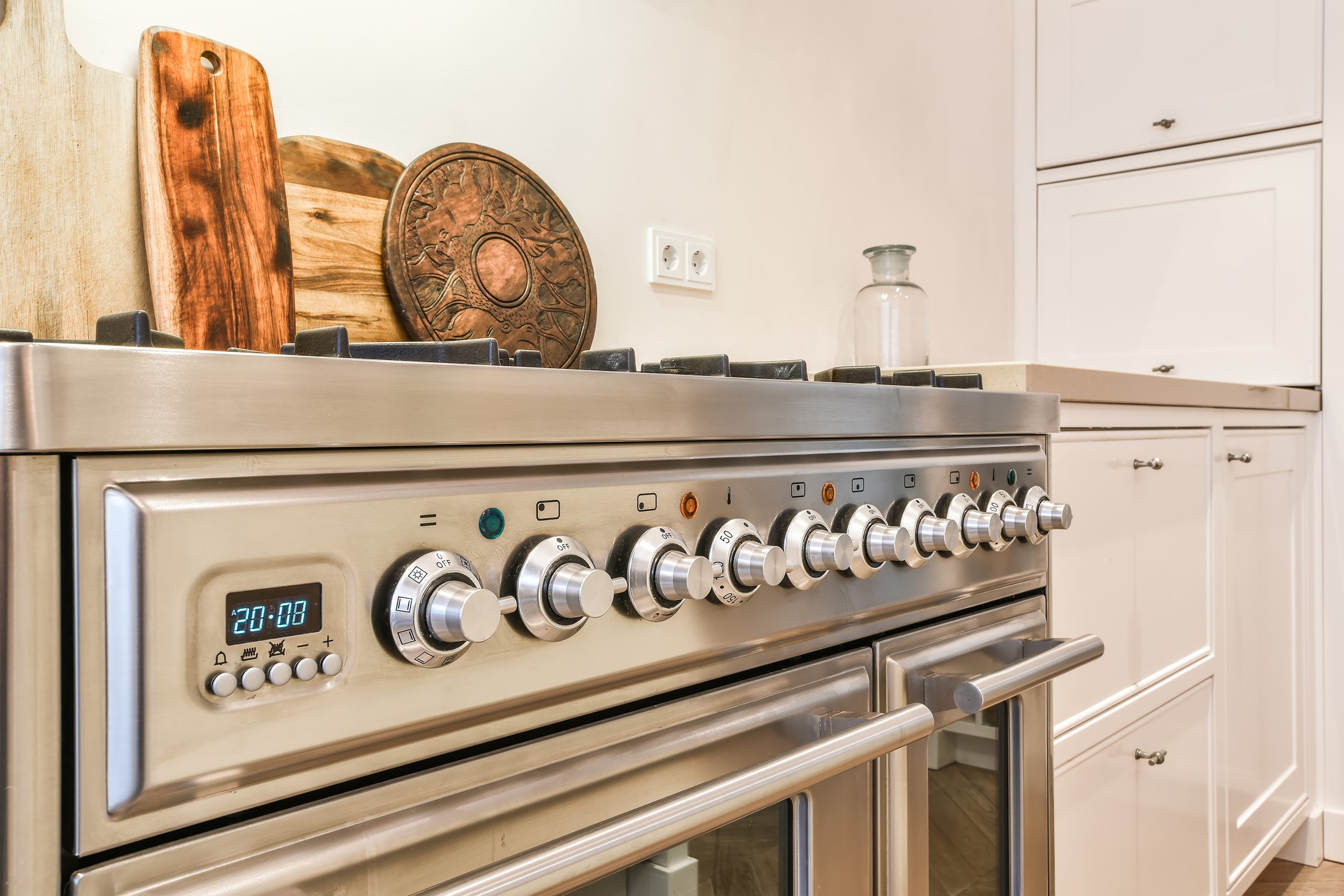
Appliance
Miele ranges
Two appliances on one chassis, and on this make they report separately. The cooking surface and the oven cavity are different boards, so the first thing worth establishing is which half is unwell — it changes the parts, the access and the figure.
- 5 symptoms we are called out to
- From $95 diagnostic, credited to the repair
- 59 cities and neighborhoods covered
- OEM parts available on order
The short version
What this equipment is, for a repair
Configurations
HR dual fuel · HR induction · 30", 36", 48" · Gas and LP
Access
Planned before the visit, not discovered on arrival
Parts
OEM, available on order
Diagnostic
From $95, credited to the repair
What goes wrong with it
Symptoms we are called out to on Miele ranges
Each one covers the likely causes in the order they are worth checking, and what to do in five minutes before booking anything.
-
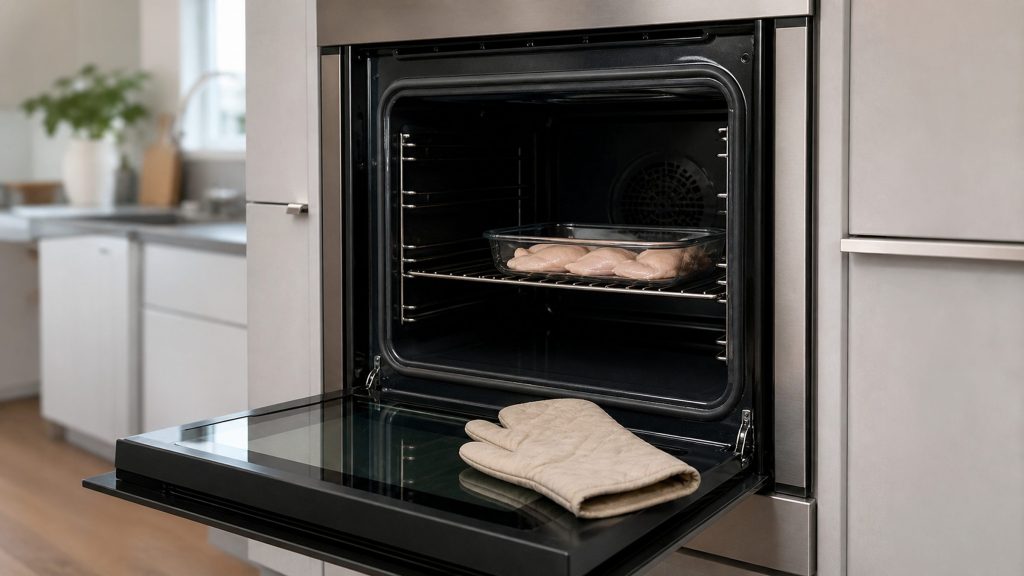
Or will not hold the temperature Oven will not heat
Cold, or simply wrong. An oven that is out by a consistent amount and one that swings between are different problems, and only one of them is the sensor everybody blames.
- The cavity never reaches temperature
- Food browning on one side only
- An oven consistently thirty degrees out
-
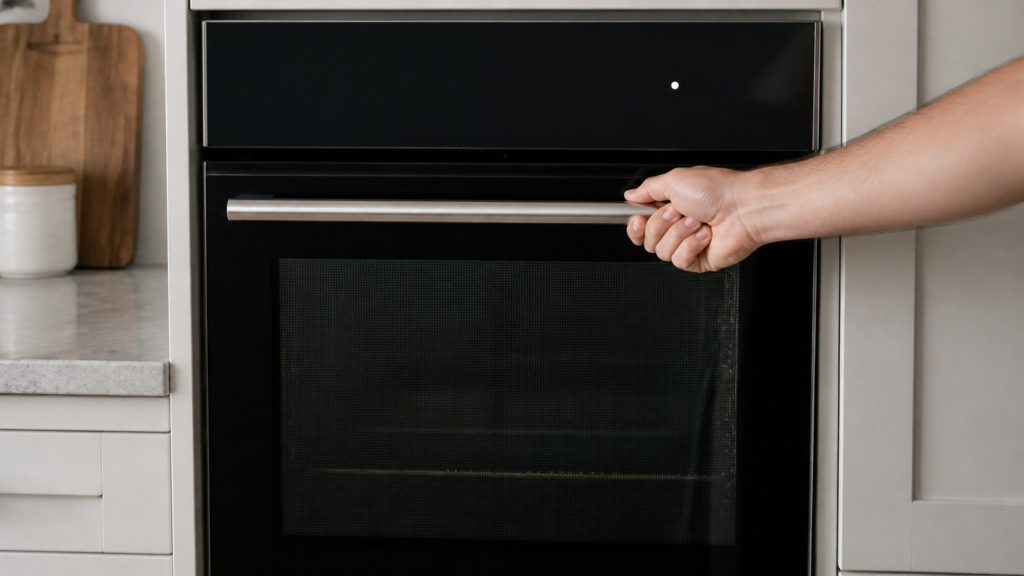
The cycle finished hours ago Oven door locked after self-clean
The oven holds its door shut during a self-clean deliberately and releases as it cools. When it does not, that is the latch — and it is a same-day call rather than something to live with.
- Still locked hours after the cycle
- The clean cycle stopped part-way
- A number on the display naming the door lock
-
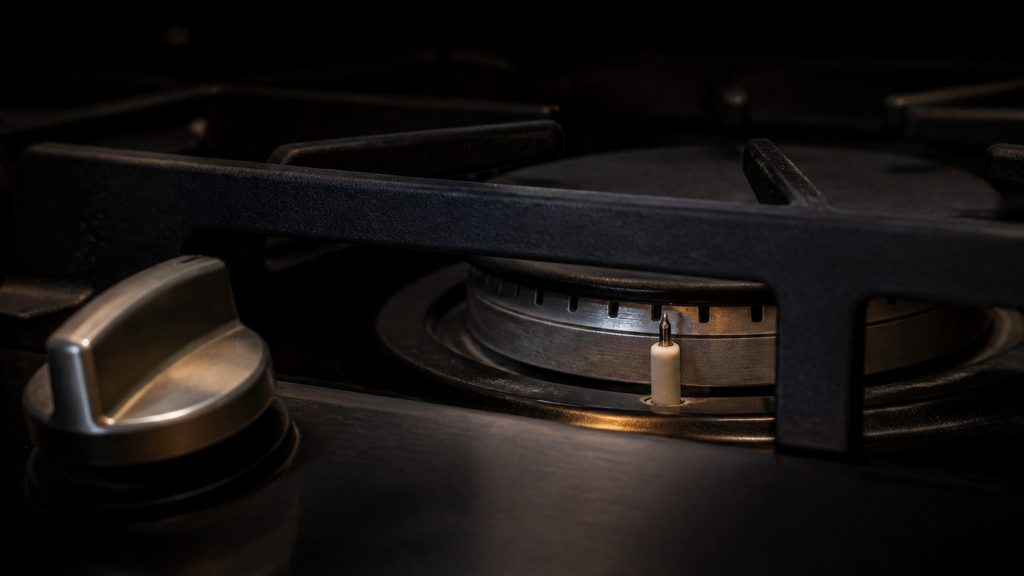
It clicks and nothing catches Gas burner will not light
The appliance will tell you nothing about this — Miele publishes no code for its gas surfaces — so the whole diagnosis is in what the burner does, and the questions on the phone are more detailed for a gas call than for an electric one.
- Clicks and never catches
- Lights and goes out a few seconds later
- One burner out while the others are fine
-
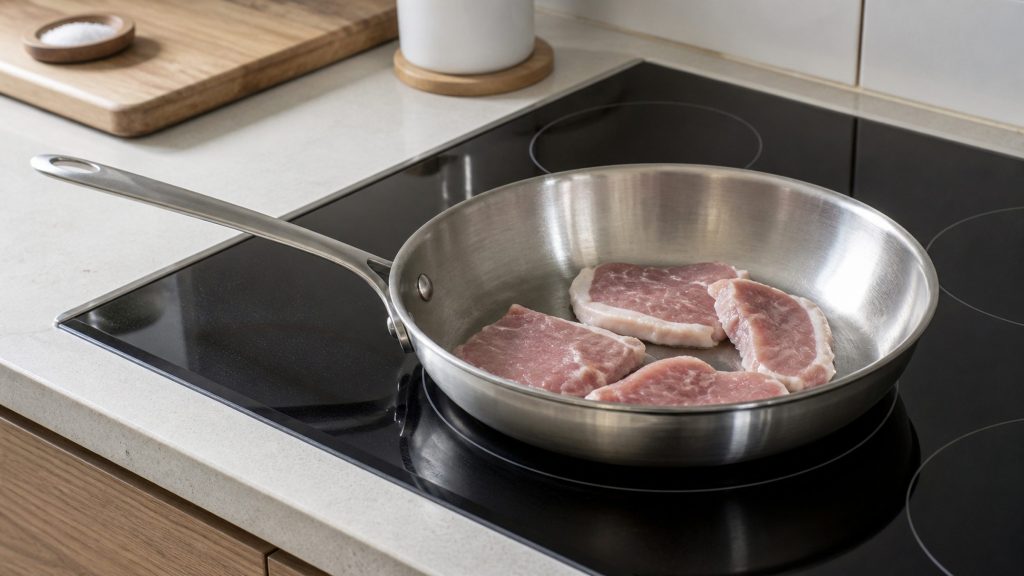
Part-way through cooking Induction zone switches itself off
Usually the overheating protection doing exactly what it was built to do. Miele documents what it does — cancels the Booster, reduces the power level, or switches zones off — and lists the four circumstances that trigger it.
- A zone dropping power or switching off
- The Booster canceling itself
- Worse when the oven underneath is on
-
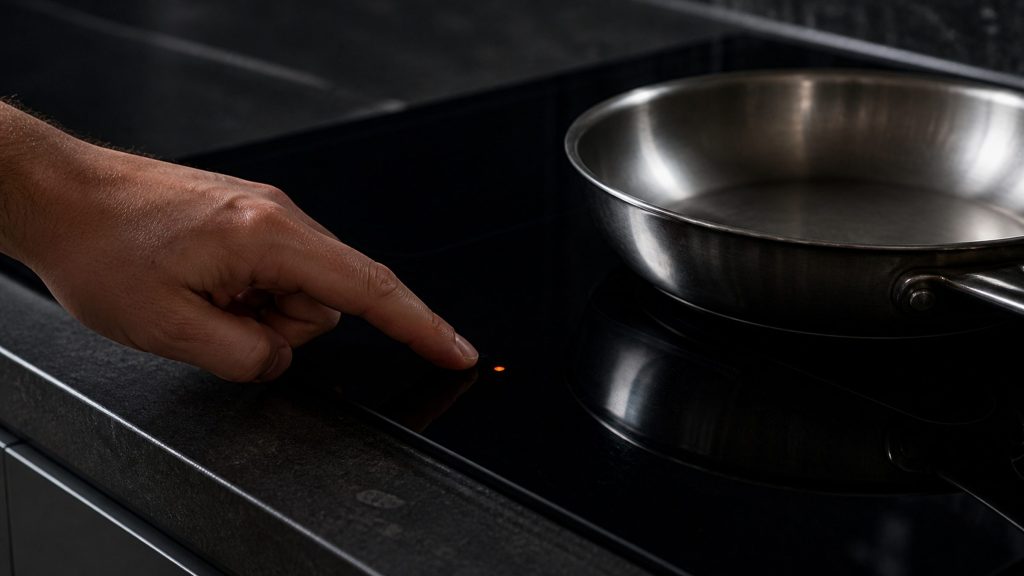
The touch panel has stopped answering Cooktop controls will not respond
A sensor control reads a wet patch or a pan lid as a finger held down, and locks out. That is the free version. The other version is the touch board, and telling them apart takes five minutes.
- No response to touch at all
- A lock symbol that will not clear
- It works again once the top is cold
What we do on it
Repairs we carry out on Miele ranges
Starting figures for this equipment in South Florida. The exact cost is confirmed after an on-site diagnostic — and this is not the whole list of what can go wrong, so call if your problem is not here.
-
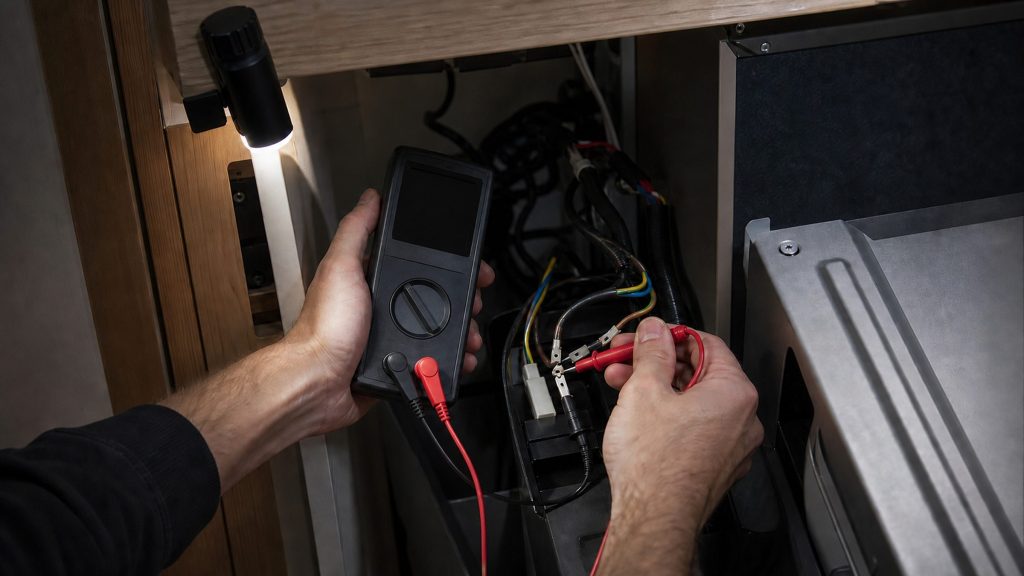
from $95 Diagnostic visit
One visit that ends with a named cause, a figure and a decision — and the fee comes off the bill if you go ahead with the work.
- Credited against the repair
- A written figure before anything is ordered
- Nine appliance types, one rate
-
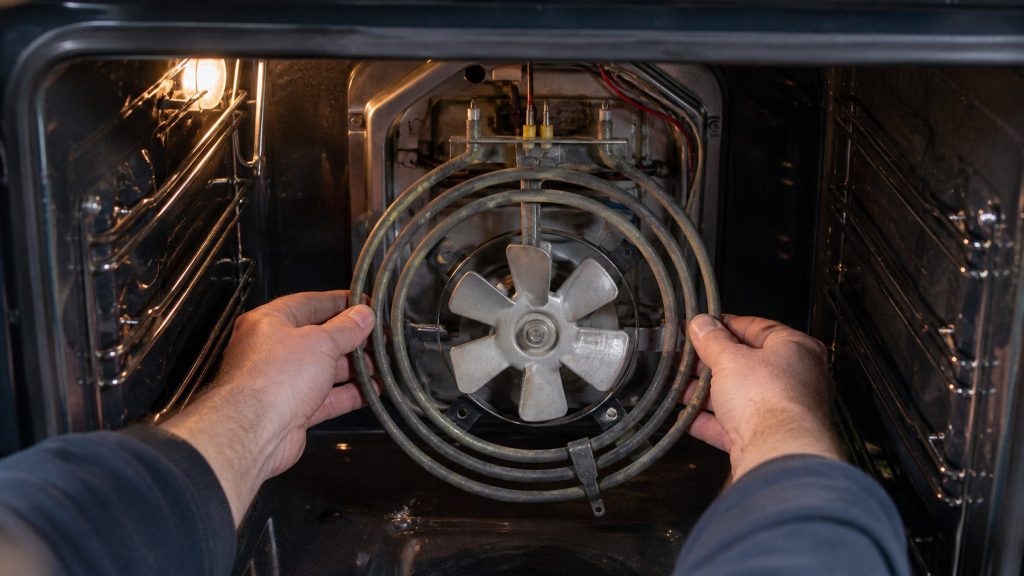
from $195 Oven element & sensor repair
An oven that will not reach temperature, will not hold it, or is simply wrong by a consistent amount. The element and the sensor produce complaints that sound identical in the kitchen and cost very different amounts.
- Temperature measured at the shelf, not read off the panel
- Sensor and element tested separately
- Access into a tall housing planned rather than improvised
-
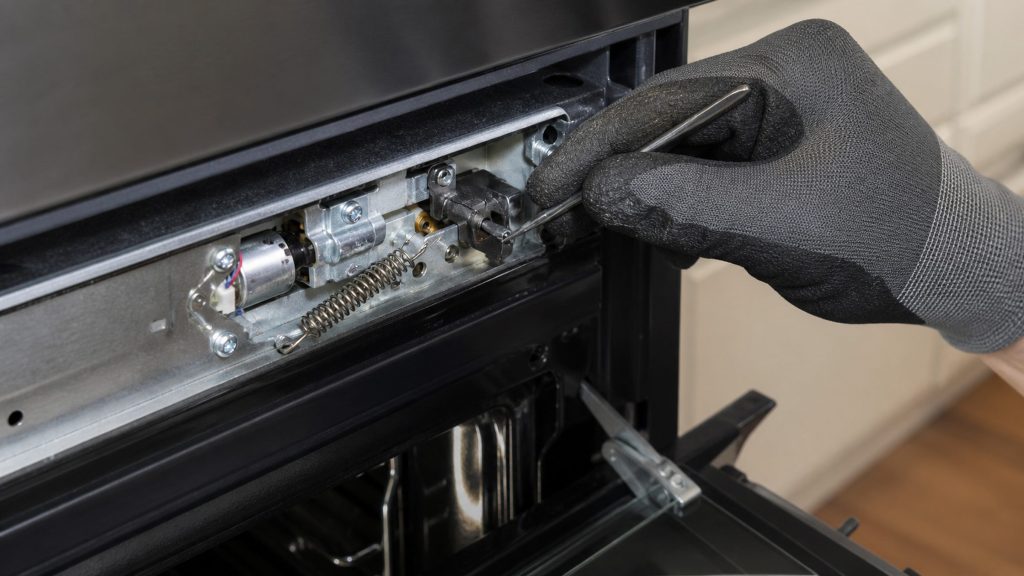
from $215 Oven door latch repair
An oven that has stopped part-way through a self-clean holds its door shut deliberately. When it will not release as the cavity cools, that is the latch — and it is a same-day call, because forcing it is how a latch becomes a door.
- Same-day where the schedule allows
- Door released without damaging the mechanism
- The cause of the interrupted cycle found, not just the latch
-
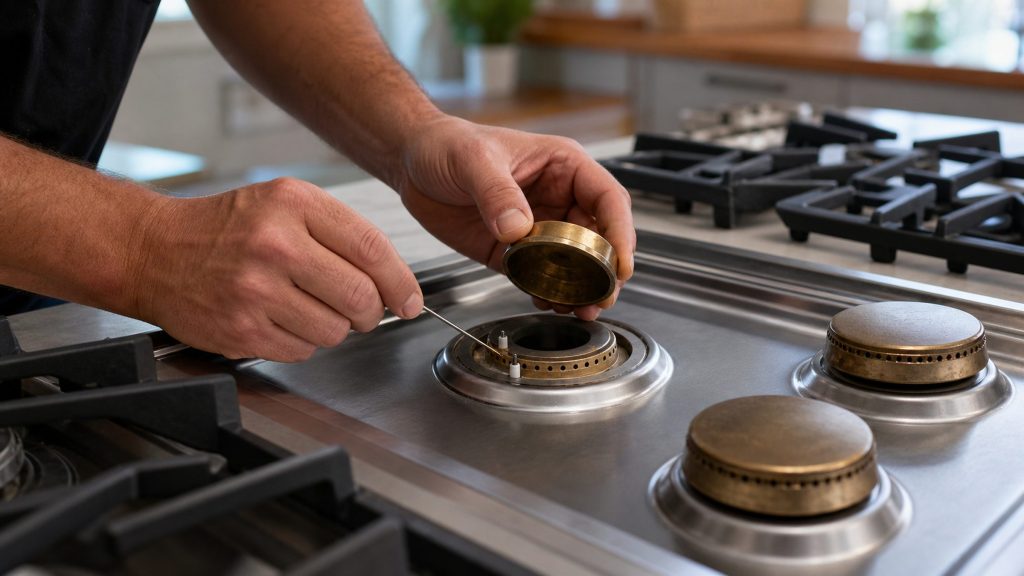
from $225 Range & rangetop repair
Two appliances sharing a cabinet, and on this make two separate boards. Which half is reporting — the cooking surface or the oven cavity — is the first thing a visit establishes, and saying it on the phone changes what comes on the van.
- The two halves diagnosed separately, as the appliance reports them
- Gas conversion and regulator setting handled properly
- Slide-in appliance drawn out from between stone
-
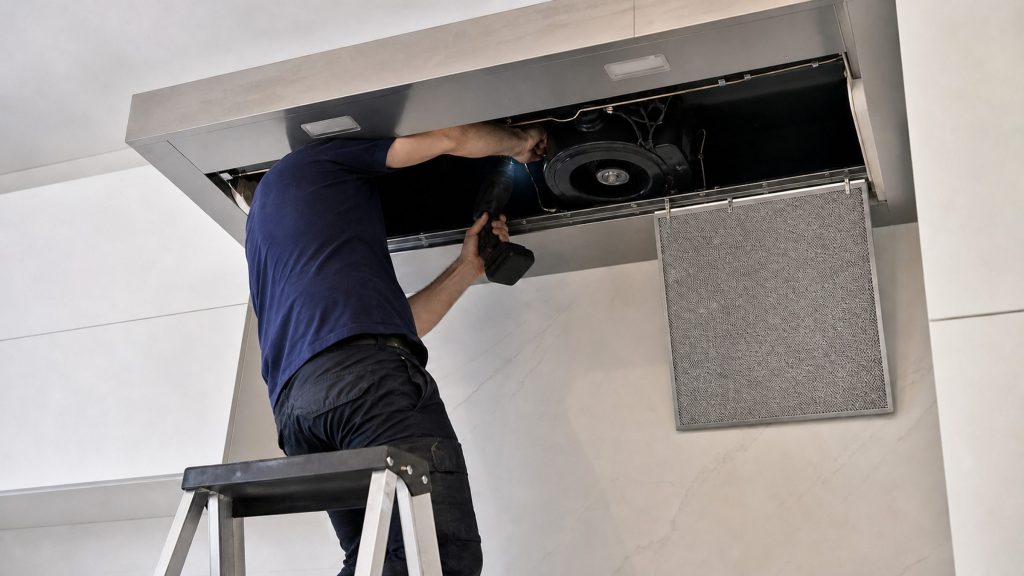
from $165 Range hood repair
The cheap end of the list, honestly. A hum without rotation is usually a capacitor; where the ventilator actually lives — inside the hood, in the ceiling or on the roof — decides the labor and is not visible from the kitchen.
- Capacitor tested before any motor is quoted
- Remote and in-line ventilators traced, not assumed
- Filters and lamps done on the same visit
-
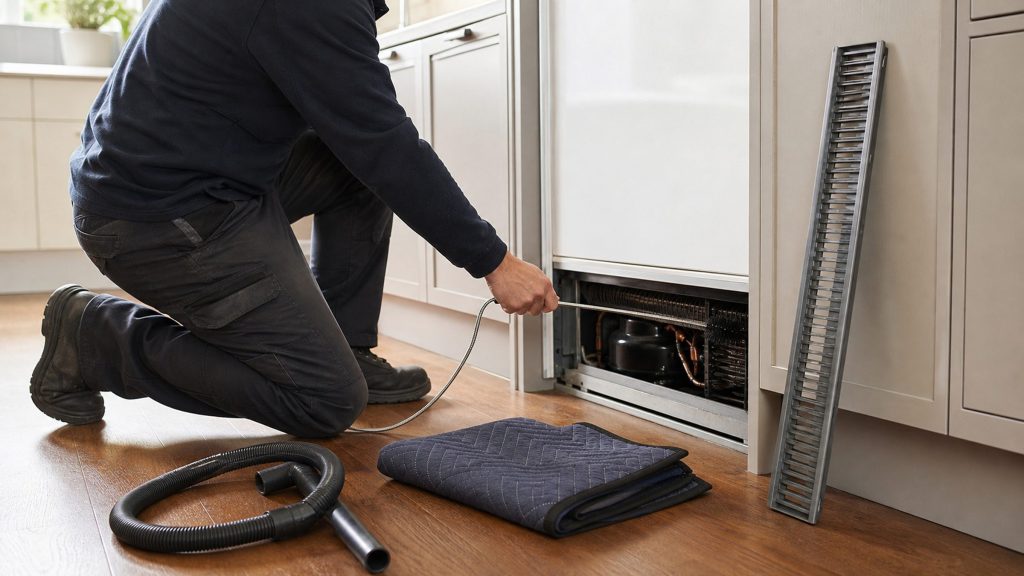
from $145 Appliance maintenance
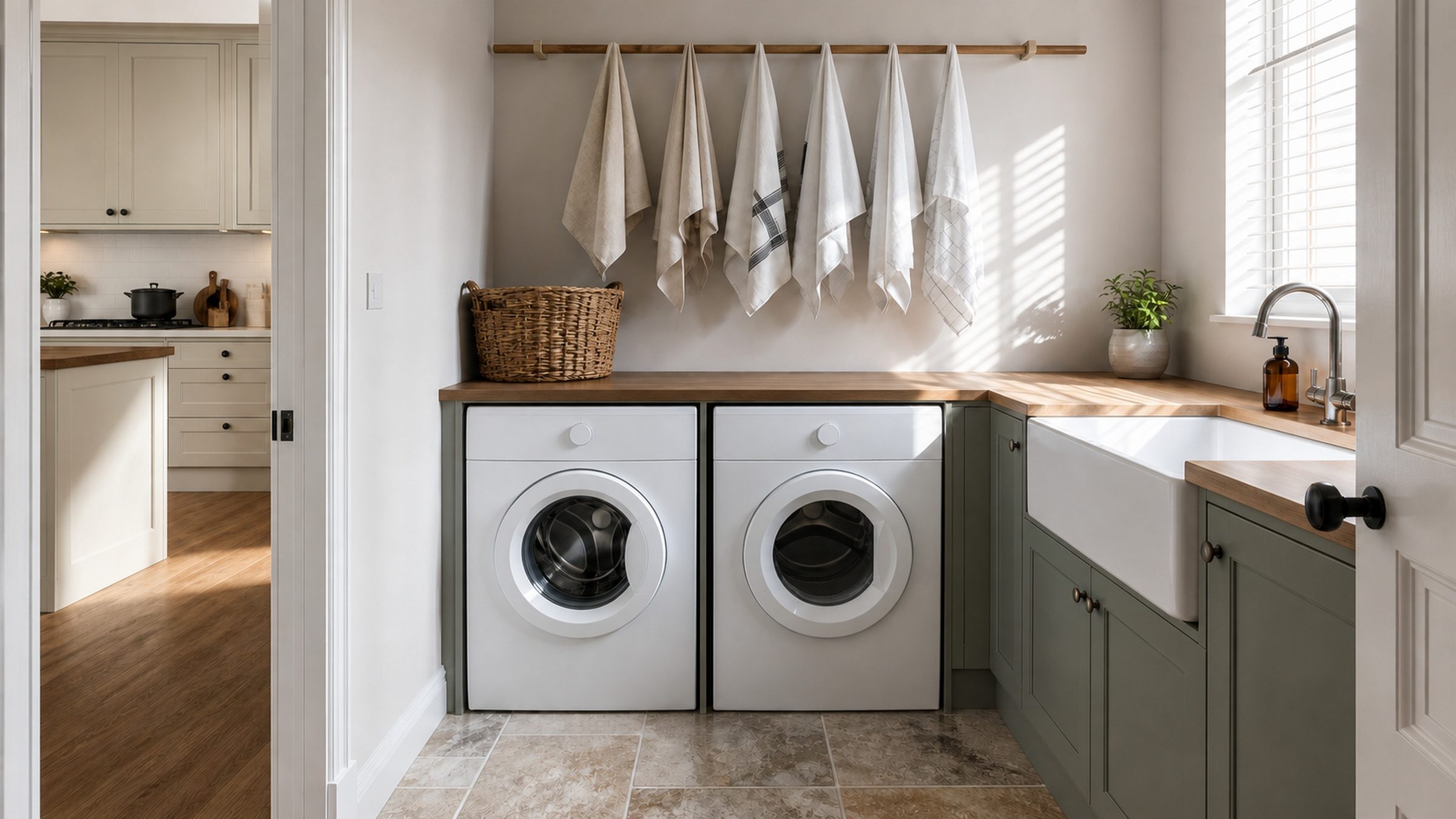
One visit covering every condenser, filter, descale and seal in the kitchen and the laundry room. In a full Miele household that can be six appliances, and doing them together is meaningfully cheaper than three separate visits.
- Every appliance in the house on one trip
- The three things this climate is hard on, all in one visit
- Water hardness set so the appliances count correctly
-
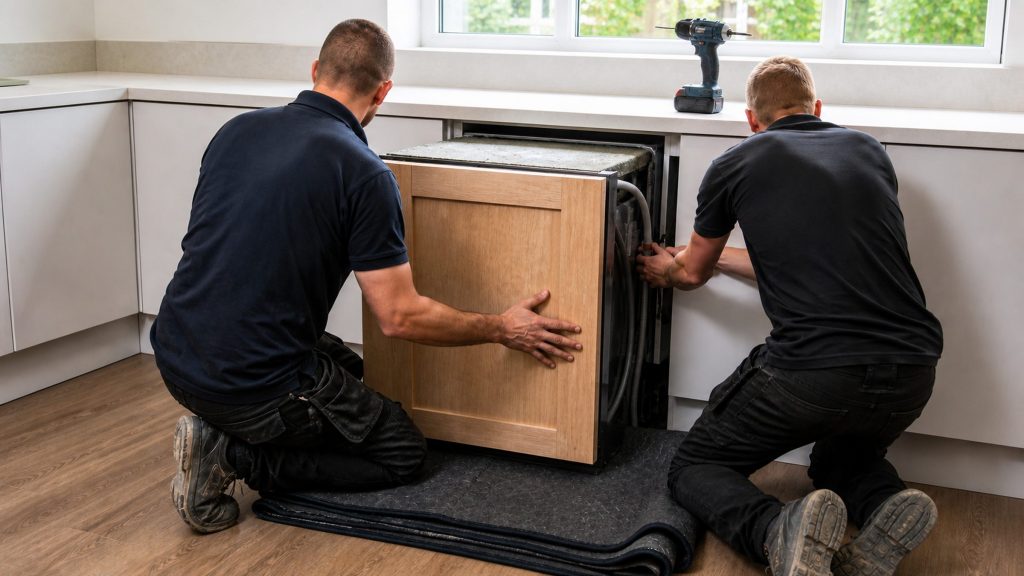
from $225 Appliance installation
Where a meaningful share of the repairs on this site are prevented or created. Ventilation under an induction cooktop, a drain that will actually take a heat-pump dryer, and water at the pressure the maker names as a minimum.
- Ventilation, drainage and flow pressure checked, not assumed
- Panel-ready doors hung and set with the panels on
- Leveling done properly, on every machine
In more detail
About Miele ranges
The two halves, and why we ask
A Miele range is a cooking surface and an oven cavity sharing a cabinet and not much else. The surface may be gas, LP or induction; the cavity is electric on all of them. They fail independently, they report independently, and the parts have nothing in common.
What actually goes wrong
- The oven temperature sensor, drifting rather than failing.
- The element or its relay on the cavity side.
- The door latch, almost always after a self-clean.
- Ignition and flame sensing on the gas tops — an electrode that clicks without lighting, and a burner that lights and drops out are different repairs.
- The induction generator on the induction ranges, which is a power supply in its own right.
Built into stone
Most of these ranges are slide-ins between stone counters. Coming forward is part of the appointment for anything behind the appliance, which is why the fuel, the width and what is on either side of it are worth mentioning when you book.
What to have ready when you call
The model number, the fuel, the width, and whether the trouble is above the worktop or below it.
This article is based on:
- Official manufacturer documentation
- Internal repair procedures
- Technician repair history
- Company quality standards
Before you book
Questions about Miele ranges
The burners work and the oven does not. Is that one repair?
It is one visit and one appliance, but two systems. On a dual fuel range the top is gas and the cavity is electric, so an oven that will not heat is an element, its sensor or the relay driving them, and none of that touches the burners. Saying which half is affected when you book is the most useful sentence in the call.
The self-clean stopped and the door is locked.
Same day, and do not force it. The cavity ran very hot and the latch is holding deliberately; when it does not release as the oven cools, the latch motor or its switch has failed with the door shut. Levering it is how a latch becomes a door.
Can a natural gas range be converted to propane?
Yes, with the maker's LP kit — the orifices are changed and the regulator is set. It is not an adjustment you make from the front panel. Worth raising if you are moving a range to a house on a tank.
The oven is thirty degrees out.
Wrong rather than absent is usually the temperature sensor drifting, and it is a cheap part. It is worth measuring rather than adjusting around: an oven that is out by a consistent amount and one that swings are two different problems.
Where we do it
Across Miami-Dade, Broward, and Palm Beach
Same terms everywhere we go: an on-site diagnostic first, the price agreed in writing, and the exact figure confirmed once we have seen the unit.
Neighborhoods people ask for by name
 English