Cost Expectations
The Twenty-Year Claim: What the Lifespan of a Miele Washing Machine Really Is
The lifespan of a Miele washing machine is designed around twenty years of domestic use — roughly 5,000 cycles at about 250 washes a year. That is an engineering target for the chassis, drum and motor rather than a guarantee, and four parts decide whether a given machine reaches it: the bearings, the drain pump, the door lock and the control board. Three of the four are ordinary repairs. Only bearings are a genuine decision, and at year ten on a first set they are usually worth doing.
The full guide
The real lifespan of a Miele washing machine, and what that number means
The figure everybody has heard is twenty years. It is not invented and it is not a guarantee, and understanding what it actually refers to is the difference between a sensible repair decision at year ten and an expensive one.
The target is cycles, not calendar years. Around 5,000 of them, which at a typical 250 washes a year works out at the twenty everybody quotes. A household doing two loads a day gets to 5,000 in about seven years. A couple doing three a week takes over thirty. Same machine, same engineering, completely different-looking lifespans — and neither one is a failure.
That single conversion explains most of the arguments people have about whether their machine "should have lasted longer."
What the number covers
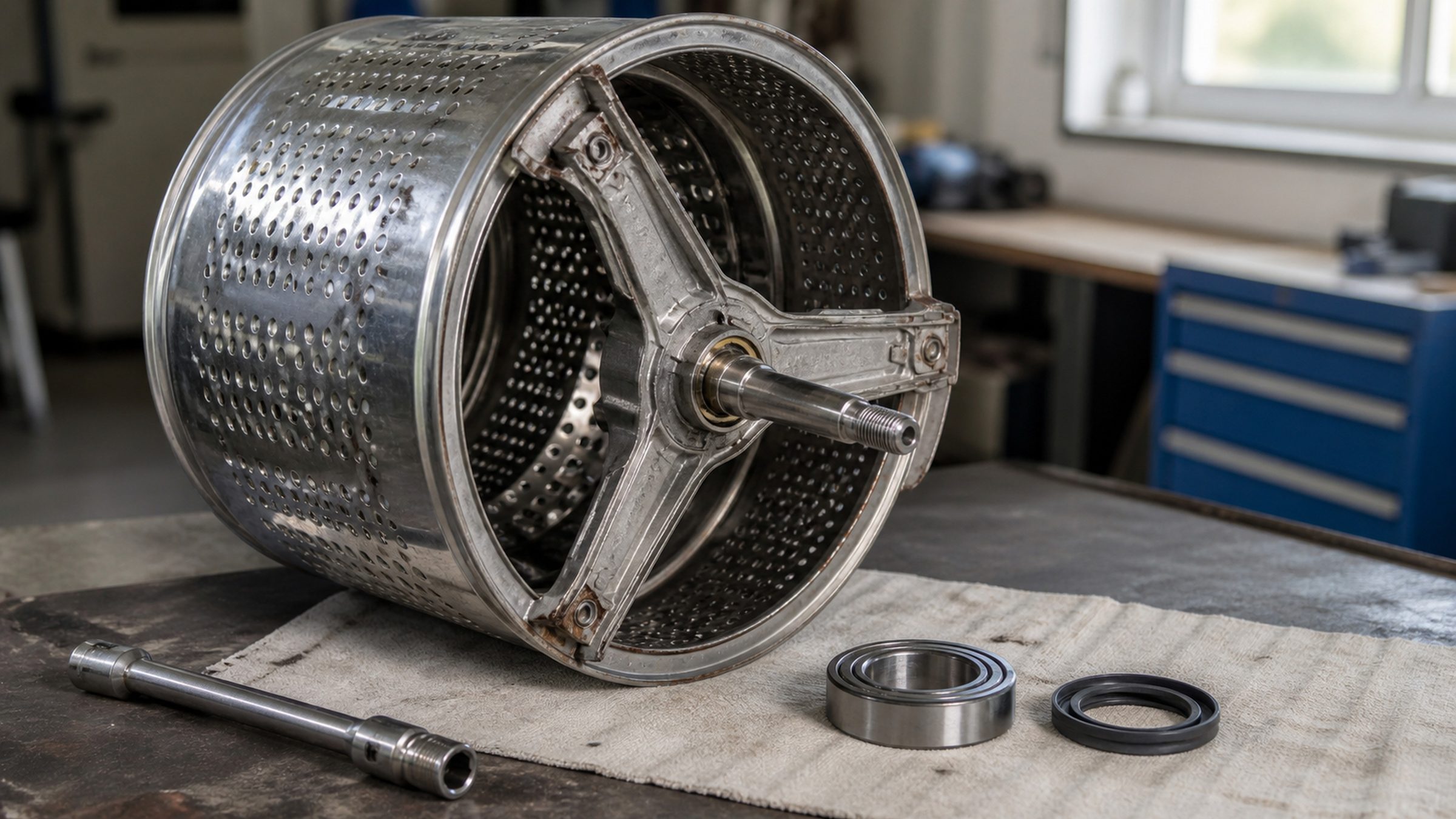
The chassis, the drum, the drive and the suspension. The structural parts that cannot be replaced economically and therefore have to outlast everything bolted to them.
That is a real engineering commitment and it shows up in ways you can see: a cast counterweight rather than concrete crumbling in a bag, a drum on a serviceable bearing rather than a sealed tub that has to be thrown away whole, a lid you can get inside without destroying it.
What it does not cover
Four parts, and knowing which they are is worth more than the headline figure.
The drain pump. A wear item. Expect it to be a repair at some point in a long life, and treat it as ordinary rather than as evidence the machine is finished.
The door lock. The most-cycled mechanical part on the appliance — it operates twice per wash for the machine's whole life. This maker prints its failure in words on the display, which tells you how routine it is.
The control board. Electronics age, and in a South Florida garage or a hot closet they age faster. Not common, not cheap, and worth ruling out properly before it is blamed.
The bearings. The only one that is a genuine decision, and the subject of the rest of this page.
The bearing question, answered honestly
Bearings announce themselves months in advance: a rumble on the spin that rises with the speed and quiets as the drum slows. Nothing stops working. It just gets louder.
On a first set, at ten or twelve years, this is usually worth doing. You are fitting a wearing part to a chassis and a motor that were designed for considerably more life than they have used, and the honest comparison is not against the cheapest machine in the store — it is against buying the equivalent, which is a substantially larger number.
On a second set, the sums change and you should be told so. At that point the machine has done a great deal of work, other things are approaching their own end, and the arithmetic no longer obviously favors the repair. Anyone who will not have that conversation with you is selling rather than advising.
And before either conversation, cheaper things get excluded. Shock absorbers let the drum move further than it should and make a very similar noise. A loose counterweight fixing knocks. Transit bolts left in after a move are dramatic, free, and more common than anybody admits. All three are checked first, and they are a fraction of a bearing.
The two things that actually shorten it
Neither of them is the brand and both are yours.
Overloading. A drum packed to the top cannot tumble, so the load slides instead of falling, and the imbalance goes straight into the bearings and the suspension on every spin. The machine will do it — it just pays for it.
Standing unlevel. All four feet on the floor, machine level, locknuts tightened. A washing machine on three feet rocks on every spin for years, and that is load the design never accounted for. It takes five minutes with a spirit level and it is the single highest-value maintenance act on this appliance.
What twenty years is worth in this climate
Two footnotes for South Florida specifically.
A machine in a garage meets salt-carrying air and larger temperature swings than one indoors, and that ages hoses and electronics rather than the drum. Check the inlet hose annually.
A machine in a closed closet never dries out, and the consequences are a smell and a shortened door seal rather than a shortened chassis. Leave the door ajar.
Neither changes the twenty-year figure. Both change what you will be replacing along the way.
How to tell where your machine is in its life
Not by the year on the plate. By three things you can check in ten minutes.
Count the cycles if the machine will tell you. Some of these will show a total in the service information; where it does, that number against 5,000 is a far better answer than the age.
Listen on the spin. A rising rumble is the bearing beginning. Nothing has failed and you have months rather than days, which is exactly the point at which the repair decision is cheapest to make.
Look at the bellows and the seal. Rubber ages on a calendar rather than a cycle count, and in a hot Florida closet it ages faster. A perished bellows on an otherwise sound machine is a small repair and a good sign — it means the wear you can see is in the parts designed to be replaced.
Independent Miele service across Miami-Dade, Broward and Palm Beach. We are not affiliated with, authorized by or endorsed by any manufacturer.
If it turns out to be a repair
What this leads to, and what it costs
Every job on this site is priced the same way: an on-site diagnostic first, the figure agreed in writing before anybody starts.
-
W1 front-loading · TwinDos · CapDosing · 24" · 120V Washing machines
A small line and a deep one: Miele sells three washing machines in the United States and builds all of them to a twenty-year design life. That changes the repair question — on a machine this age, the honest answer is usually which single part has worn rather than whether the machine is finished.
- A door that will not lock, or will not release
- A cycle that stops part-way with water in the drum
- A number on the display that returns after every reset
-
from $425 Washing machine bearing & drum repair cost
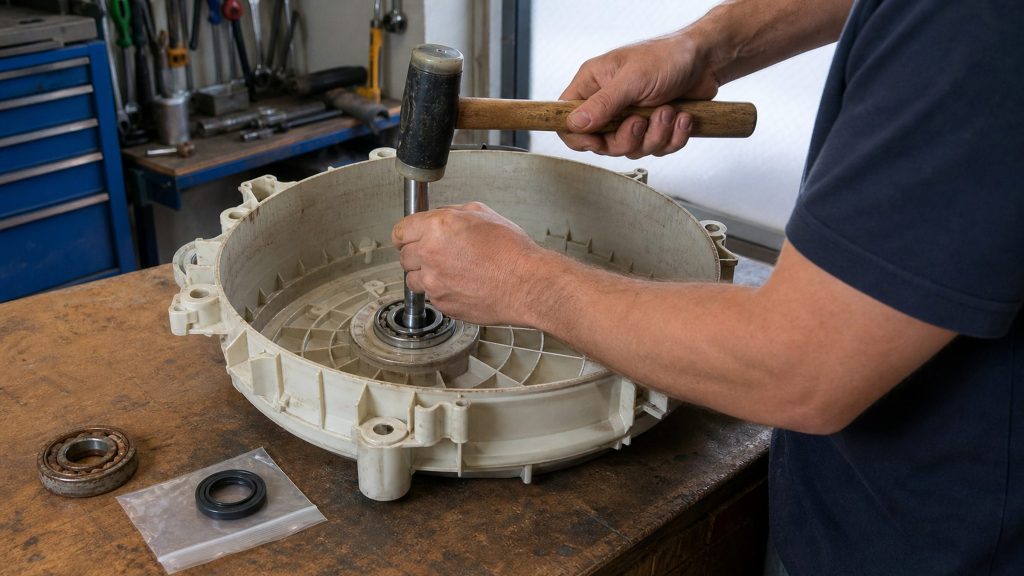
The largest laundry figure on this site and the one with a real decision in it. On a machine built for twenty years, a bearing at ten is usually worth doing — and you get told when it is not.
- Bearing set $400–$900 depending on the machine
- Cheaper causes of the same noise excluded first
- A straight answer on whether to do it at all
-
from $145 Appliance maintenance
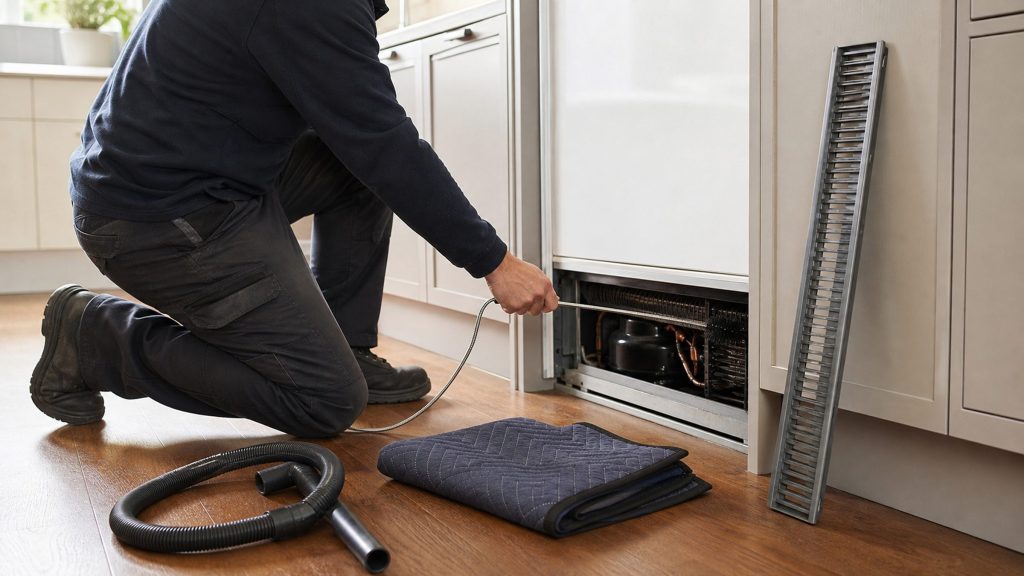
One visit covering every condenser, filter, descale and seal in the kitchen and the laundry room. In a full Miele household that can be six appliances, and doing them together is meaningfully cheaper than three separate visits.
- Every appliance in the house on one trip
- The three things this climate is hard on, all in one visit
- Water hardness set so the appliances count correctly

Questions people ask about this
Is twenty years marketing or engineering?
Engineering, with a marketing life of its own. The figure comes from a cycle-count target the chassis, drum and motor are designed and tested against. What it does not do is cover the consumable parts around them, which is where most of the arithmetic in a repair decision actually sits.
Mine is twelve years old and needs bearings. Worth it?
On a first set, usually yes — you are fitting a part to a chassis with years of design life left, and the comparison is against an equivalent machine rather than the cheapest washer available. On a second set, the sums are much closer and you should get both numbers.
Does washing more often shorten it?
It shortens the calendar life rather than the machine. The target is cycles, so a household running two loads a day reaches the same wear in nine or ten years that a single person reaches in twenty-five. That is worth knowing when judging whether a machine has failed early.
What ages one fastest?
Overloading, and standing unlevel. Both put load into the bearings and the suspension that nothing else does, and both are entirely within the owner's control. A machine on three feet rather than four is doing measurable damage every spin.
Do the professional Little Giants last longer?
They are built for a far higher duty cycle rather than a longer calendar life. In a salon or a condo laundry room they reach in three years the hours a household machine takes fifteen to accumulate — which is why a professional machine failing at three is not premature.
Cost Expectations
More guides like this one
-
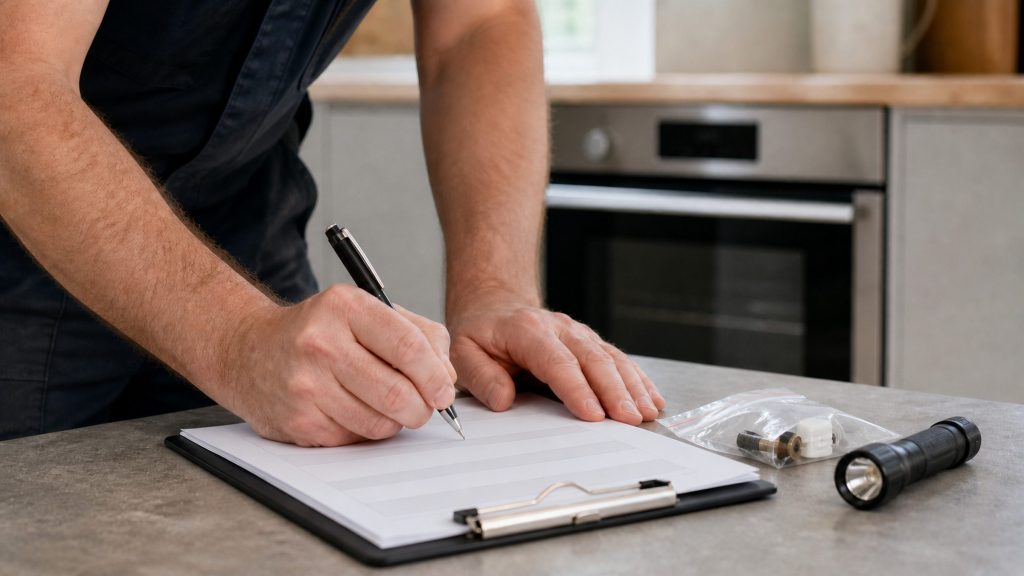
What an Appliance Service Call Costs in South Florida, and What It Should Include
The national range is $59 to $129. The more useful question is what the fee buys and whether it comes off the bill — and three questions worth asking before booking anybody.
Read more -
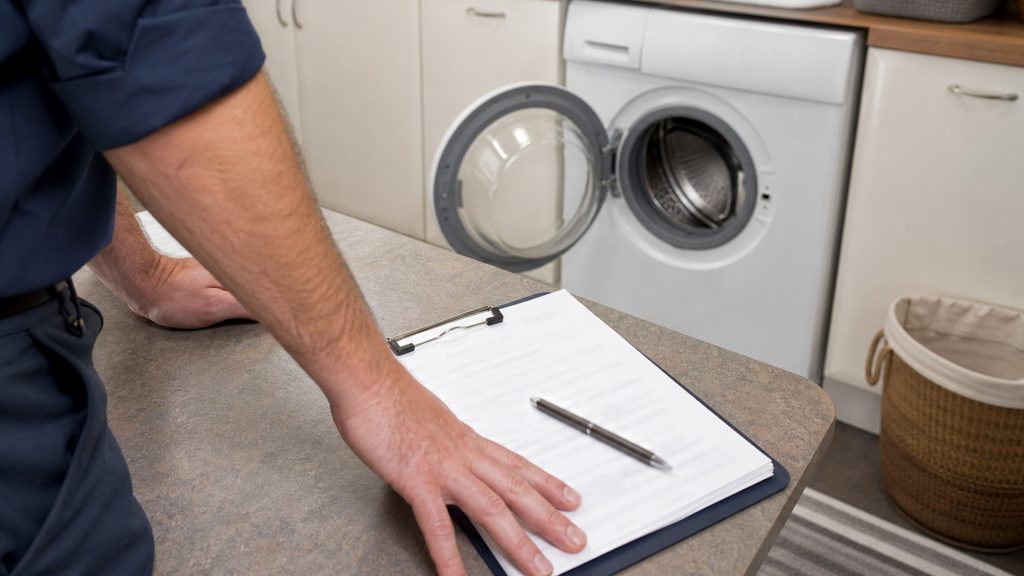
Is It Worth Repairing a Miele Washing Machine? The Arithmetic, Not the Slogan
Four numbers decide it and only one of them is the quote. Here is the sum done out loud, including the case where the answer is no.
Read more -
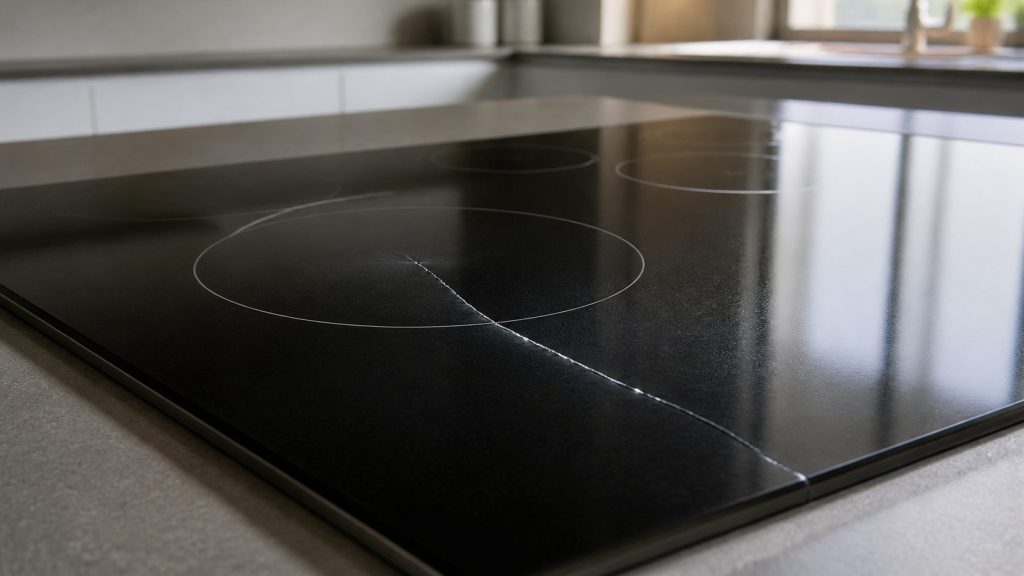
Replacing the Glass on a Glass Top Stove: The Question Before the Price
The figure is the easy half. Whether the surface is still made for your model is what actually decides whether this is a repair at all.
Read more
Tell us the model number and what it is doing.
This article is based on:
- Official manufacturer documentation
- Internal repair procedures
- Technician repair history
- Company quality standards