Dryer condensate & filter service
from $135
Maintenance, and in this humidity it is what keeps the heat-pump circuit away.
Miami-Dade · Broward · Palm Beach
We are an independent repair company covering the whole Miele household — dishwashers, W1 washing machines and T1 heat-pump dryers, ranges, cooktops and rangetops, ovens and combi-steam ovens, MasterCool refrigeration, wine cabinets, and the professional line behind them. You get an on-site diagnosis, the work and the price in writing before anything is opened, and a fair chance of being told you do not need us.
What we repair
Ten appliance types, and two of them are not in the kitchen. Dishwashers, washing machines and heat-pump dryers, ranges, cooktops, ovens and steam ovens, refrigeration, wine cabinets, and the professional line. Start with whichever is misbehaving — several of these pages begin by explaining that the behavior people call a failure is the appliance working as designed.
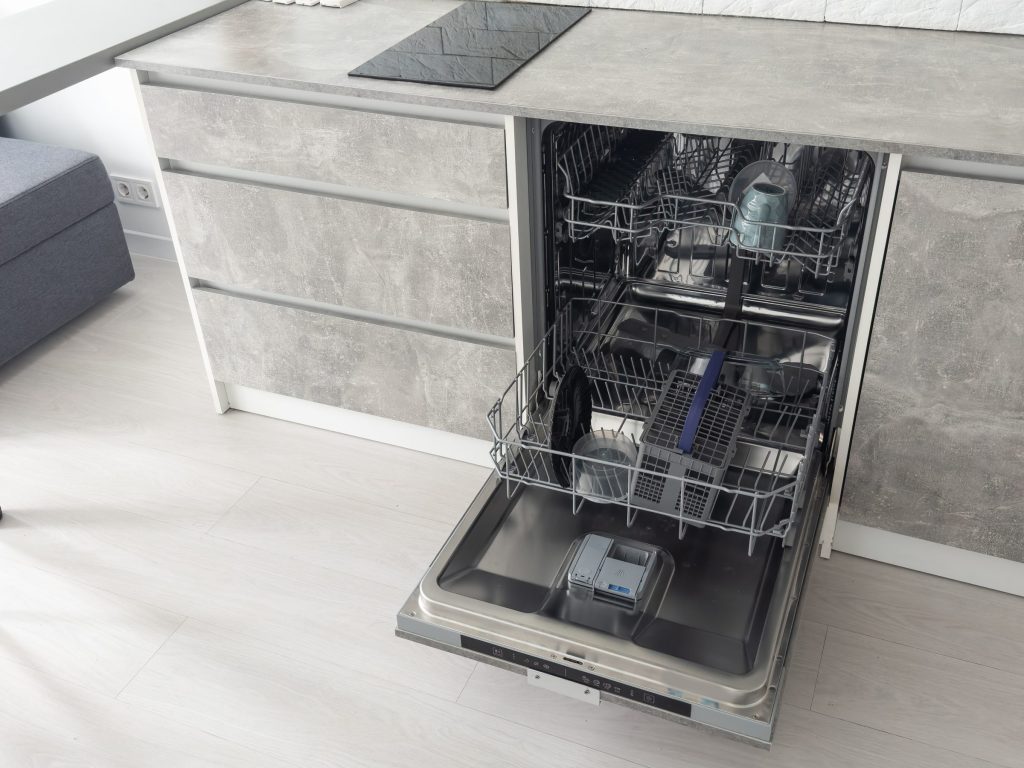
The appliance this name means in most American kitchens, and the one that tells you the most about itself. A Miele dishwasher reports the water path in detail — the tap, the inlet filter, the hose, the drain — which is why more of these calls end without a part than on any other appliance in the house.
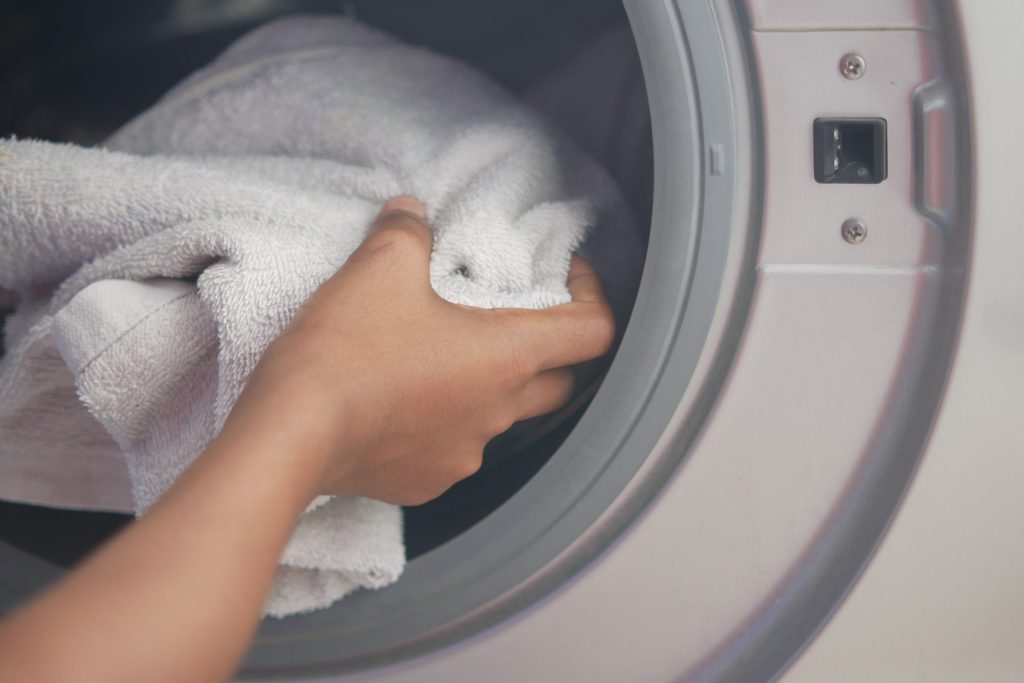
A small line and a deep one: Miele sells three washing machines in the United States and builds all of them to a twenty-year design life. That changes the repair question — on a machine this age, the honest answer is usually which single part has worn rather than whether the machine is finished.
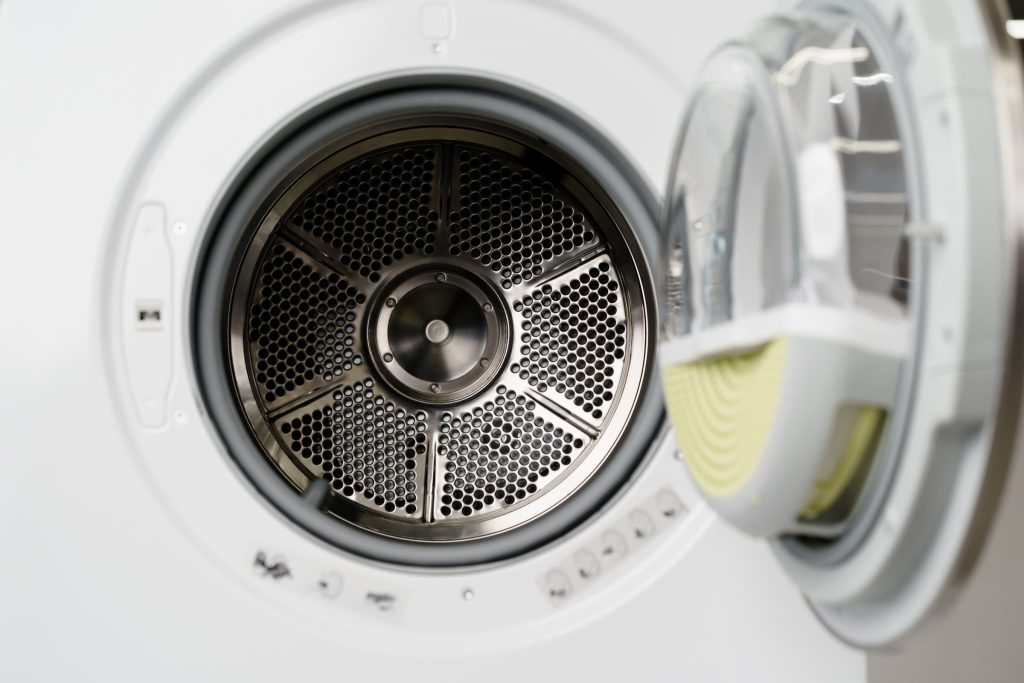
Every dryer Miele sells in the United States is a heat pump, and there is no vented model to compare it to. That is the single most useful thing to know before booking: this machine has a sealed refrigerant circuit rather than a heating element, so almost nothing that goes wrong with it is what goes wrong with an ordinary dryer.
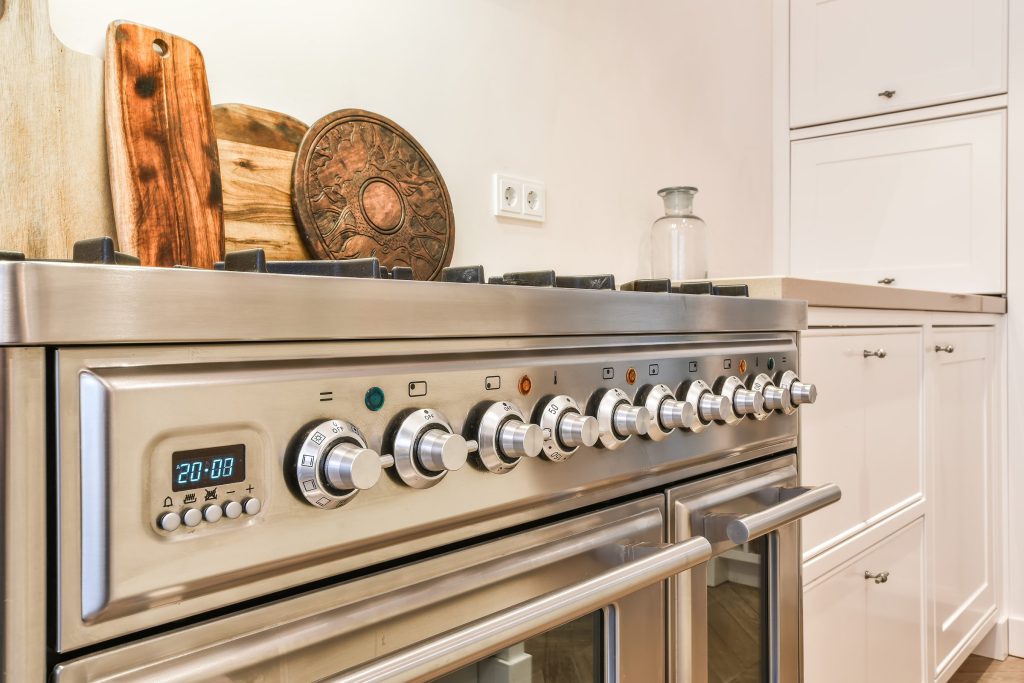
Two appliances on one chassis, and on this make they report separately. The cooking surface and the oven cavity are different boards, so the first thing worth establishing is which half is unwell — it changes the parts, the access and the figure.
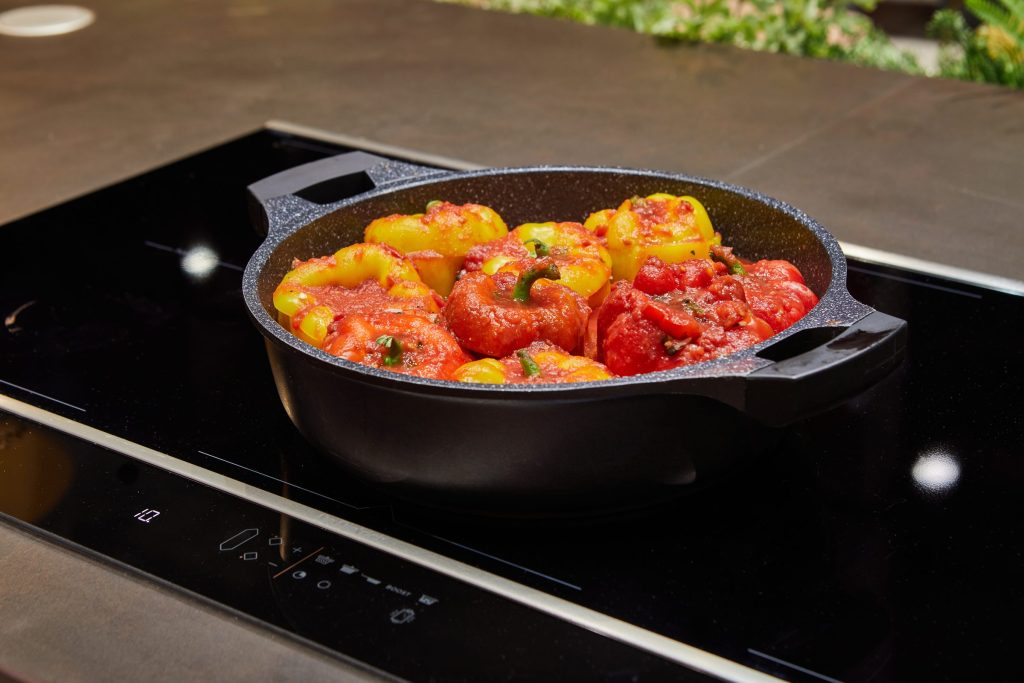
The one place this make writes something other than F and a number: the induction tops write FE, and a bare F with nothing after it is its own condition. Induction also reports more than any other cooking surface Miele builds — and most of what it reports is about heat and about the glass rather than about a part.
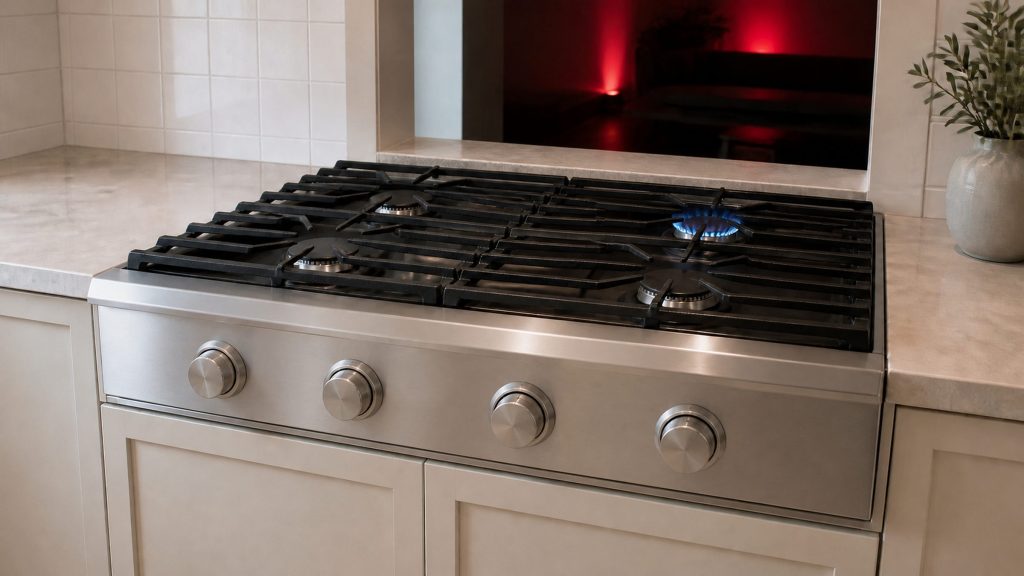
A range top is a cooking deck without an oven under it — thirty-six or forty-eight inches of burners and grates dropped into a counter with a cabinet below. Miele builds them so a kitchen can put its ovens somewhere else and keep the cooking at the island. Above the counter it behaves like a range; below it, everything is different, and that is what decides the visit.
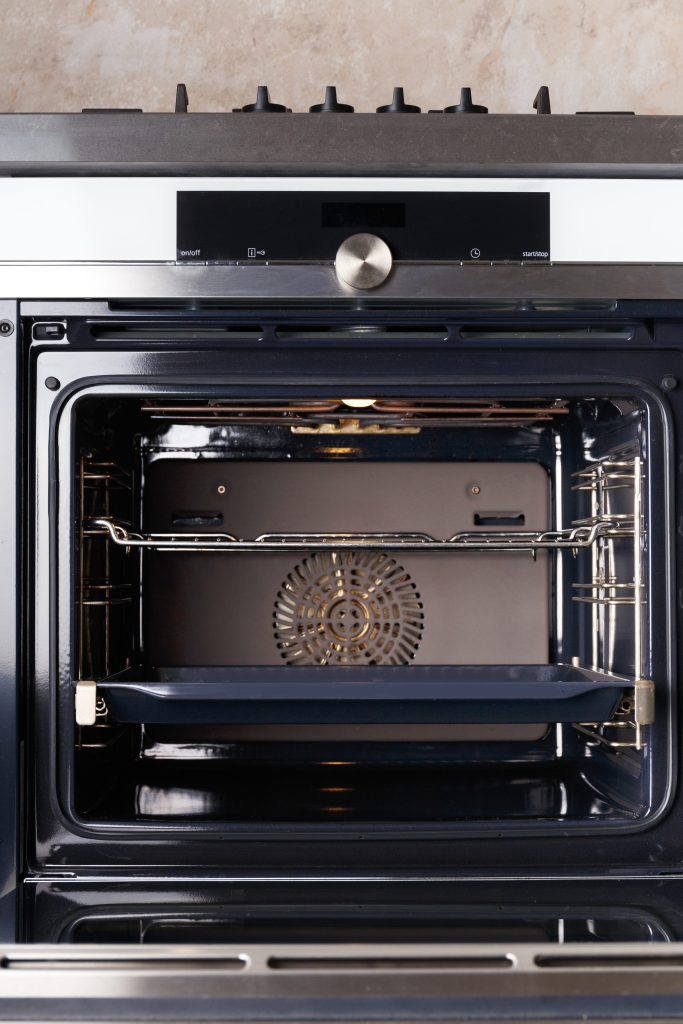
One control family covers the wall ovens, the combi-steam ovens, the speed ovens and the drawers, which is why they share a page. The steam side adds a set of conditions all its own — about the intake valve, the nozzle, the container, and the hardness of the water itself.
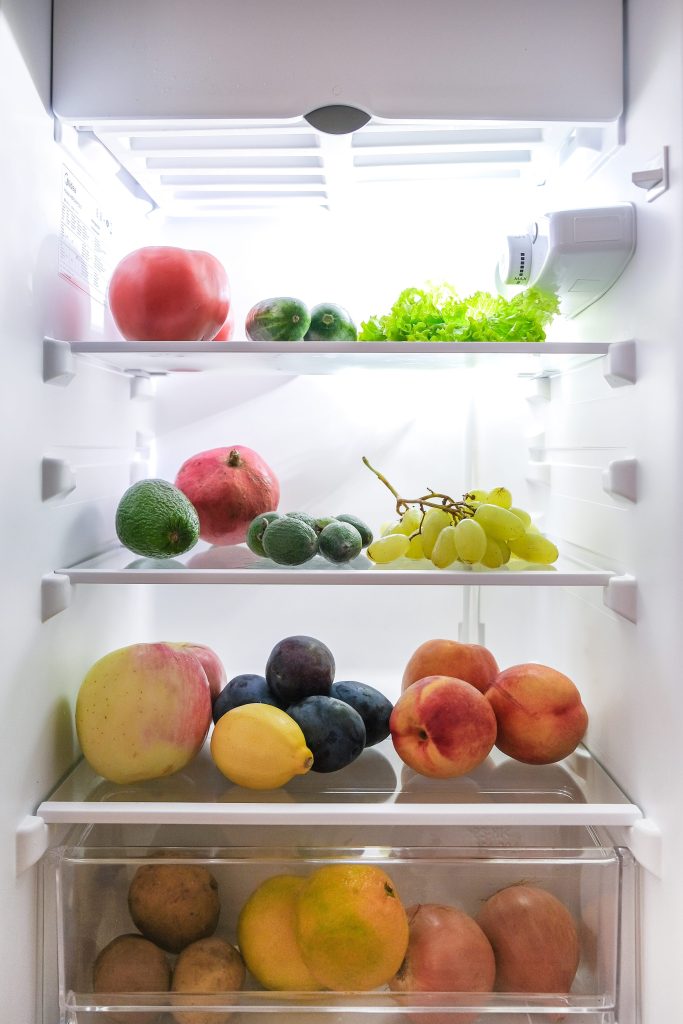
MasterCool columns and built-in cabinets, most of them behind your own panels. What is distinctive about their conditions is that the cabinet usually keeps running while it reports: it is telling you a reading has stopped making sense, not that it has stopped cooling — so there is normally time to act rather than to empty it.
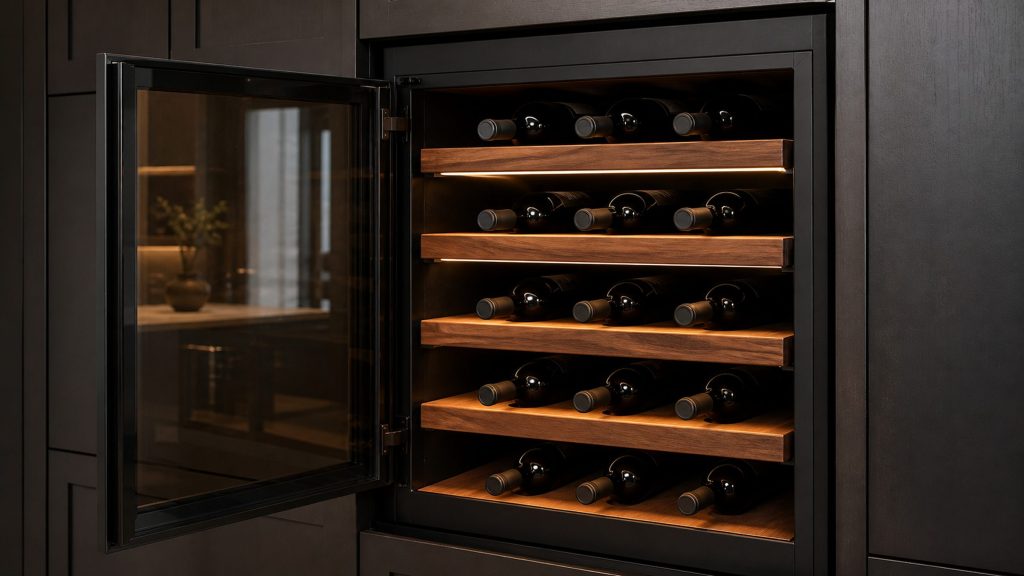
A cabinet with a job that is stricter than cold: hold a temperature steadily, hold humidity with it, and do neither of those things loudly. Zone count and access decide most of what a repair costs here, and a single wrong zone rules out the compressor immediately.
South Florida
Error codes
Miele has never been bought and has never inherited somebody else's control platform, so it writes an F and a number on every appliance it builds. That consistency is genuinely useful and it hides one trap: <strong>the same number means different things on different machines.</strong> There are 133 distinct numbers carrying 175 conditions between them, so roughly a third of them belong to more than one appliance.
The same number, five different machines
F1 is a water and heating temperature sensor on a dishwasher, a short circuit in the heating sensor circuit on a washing machine, and a refrigerant temperature sensor on a heat-pump dryer. Three machines, three parts, one number. Look a code up under the machine that is showing it — anybody reading "Miele F1" without that second half is reading confidently about somebody else's appliance.
The three shapes this maker writes
F24
F and one to three digits. This is nearly all of it, on every appliance from a dishwasher to a professional washer
FE47
FE and a number — the induction cooktops only, and one of them names a drawer under the cooktop blocking the fan
E04
A stray E, on the steam ovens, printed beside an F on the same page
How many conditions each machine publishes
| Washing machines | 51 conditions, the largest block, and the numbering runs past F200 and past F300 — a later block of the same list rather than more serious problems |
|---|---|
| Dishwashers | 45, and the block with the most an owner can clear alone: the tap, the inlet filter at the water connection, a kinked hose, the drain |
| Heat-pump dryers | 28, of which 24 point into the sealed refrigerant circuit — which is the shape of the machine rather than a sign that yours is unusual |
| Ovens and steam ovens | 25, and the block where the owner can genuinely act: 20 of the 25 carry the maker's own steps, most of them about water |
| Refrigeration | 17 — mostly sensors, plus door-open alarms at fifteen, thirty and forty-five minutes |
| Cooktops | 6, and the only place this maker writes FE. Three of them name objects in a drawer below the cooktop blocking the fan |
| Ranges | 3, because the range shares the oven's control family and what is particular to it shows up on the cooking surface |
There is no gas-burner row and there never will be: this maker publishes no condition for any gas surface it builds, on any model. Those pages carry the whole diagnosis themselves. And where the manufacturer publishes a number without publishing its meaning — which happens on several refrigeration conditions — our page says so rather than filling the gap, because a guess about a sealed system is an expensive kind of guess.
175 conditions across 133 numbers, every one read from this manufacturer's own customer support base and linked back to the page it came from. 100 of them carry the maker's own sentence that they cannot be remedied by the owner — a clear majority — and those pages carry no invented checklist. The other 75 have the manufacturer's own steps, and several of them end a call for nothing at all.
Browse all error codesNothing on the display at all — a gas burner that will not light, a dryer that simply dries badly, a washing machine getting louder on the spin? None of that produces a number, and the symptom pages carry those diagnoses in full. Several of them exist mainly to tell you that nothing is wrong.
How a visit goes
Tell us what the appliance is doing, the model number, and anything it is showing — including which machine is showing it. Cannot find the model number? We will tell you exactly where Miele puts it: on the edge of the door on a dishwasher, inside the door opening on a washer or dryer, on the door frame of an oven, on the upper interior wall of a refrigeration column.
The number is read against the machine rather than on its own, and the condition is reproduced rather than assumed. The free causes get checked in front of you first: the tap, the inlet filter, the drain filter, the condensate container, the air under a cooktop.
You see the work and the price before anything is opened, and you approve it first. On a paneled dishwasher, a stacked laundry column or an oven in a tall housing we say what has to move before it moves.
A full cycle run and watched before we leave — on a dishwasher that means filled, washed and drained; on a dryer it means a load taken to dry; on refrigeration it means brought down and held. Our workmanship is covered by warranty.
What it costs
We price by the job, because that is how a problem shows up in your house. Treat these as starting points — anyone naming an exact figure over the phone, sight unseen, is guessing.
from $135
Maintenance, and in this humidity it is what keeps the heat-pump circuit away.
from $145
The best money spent on that appliance in this water, and we will set the hardness while we are there.
from $165
The cheapest thing on the appliance, and the one that protects your cabinetry.
from $175
A real share of these end at a tap or an inlet filter and cost the visit only.
from $215
Same-day where the schedule allows, because there is usually a wet load behind the glass.
from $225
Where most refrigeration calls land — after the condenser, which is often the whole answer.
from $345
No element and no thermal fuse on this machine, so this band starts at a sensor.
from $425
The one repair on this site with a real decision in it, and you get both numbers.
Diagnostic visit from $95, credited toward the repair when you go ahead. Every figure above is a starting point — the model, the access and the part move it. Exact cost is confirmed after an on-site diagnostic, never over the phone.
The whole Miele price list, explainedWhere we work
Fifty-nine cities and neighborhoods, from Key Biscayne to Jupiter. Each page says what this equipment tends to do in that kind of place — a high-rise with a service elevator and a laundry closet is a different appointment from a house with a garage.
Neighborhoods people ask for by name
Those two together are usually enough for us to say what it points at and what it should cost.
This article is based on:
Before you call
Because Miele uses one numbering system across every appliance it builds, and the same number is reused on machines that have nothing in common. F1 is a water temperature sensor on a dishwasher and a refrigerant sensor on a heat-pump dryer. Every page on this site names the machine as well as the number, which is why there are 175 of them rather than 133.
Start with the tap and then the inlet filter, which is inside the screw connection where the hose meets the tap rather than inside the machine. Close the tap and unplug the appliance first — that plastic housing contains an electrical valve. In this water that filter is the commonest cause and almost nobody has ever cleaned it.
In South Florida, yes. The reservoir in the floor of the tub feeds a water softener, and the supply here is harder than the machine's factory setting assumes. Without salt, glassware clouds permanently and the spray jets narrow with scale. Set the water hardness on the appliance too — that is the step nobody does and it is what makes the low-salt reminder honest.
Do not lever the door. Switch off at the wall and empty the drum through the short drain hose behind the flap at the bottom front, into a shallow tray. The lock will not release with water above the door line, by design — and on a good share of these calls the door opens on its own once the water is out.
Because it is a heat pump and runs cool by design, which is exactly what makes it gentle and efficient. Two to three hours on a full cotton load is normal. What is not normal is a cycle getting longer than it used to be, and that is nearly always the two filters, the condenser block, or a closed laundry closet with no air to give it.
OEM parts are ordered against your model number as standard. Where a good-quality equivalent exists and would save you money, we price both and tell you which is going in, so the choice stays yours.
The diagnosis usually takes under an hour. Whether we finish the same day depends on the part: filters, seals, hoses, locks and sensors are usually same-visit, while a control board or a cooktop surface ordered against a model number takes a few days. A sealed system repair is a day rather than an hour.
No. We are an independent appliance repair company and we are not affiliated with, authorized by or endorsed by any manufacturer. Brand names and model numbers are used for identification only. If your appliance is still inside the manufacturer's coverage, using that first is usually the right advice and you will get it.
A warranty on our workmanship — the labor we performed. Parts carry their own manufacturer warranty. If your appliance is still in warranty, that claim goes through the manufacturer's own network rather than through us.